Profile wrapping has become a significant shift in modern window and door manufacturing. Instead of relying on paint or post-production coatings, manufacturers now apply engineered decorative films directly to linear profiles using automated wrapping systems. Profile wrapping for windows and doors provides consistent finishes, stronger surface protection, and faster production timelines.
For manufacturers, architects, and builders, this matters because modern fenestration products must balance durability, aesthetics, and efficiency while meeting tighter quality and sustainability expectations.
Profile Wrapping for Windows and Doors: How It’s Changing the Industry
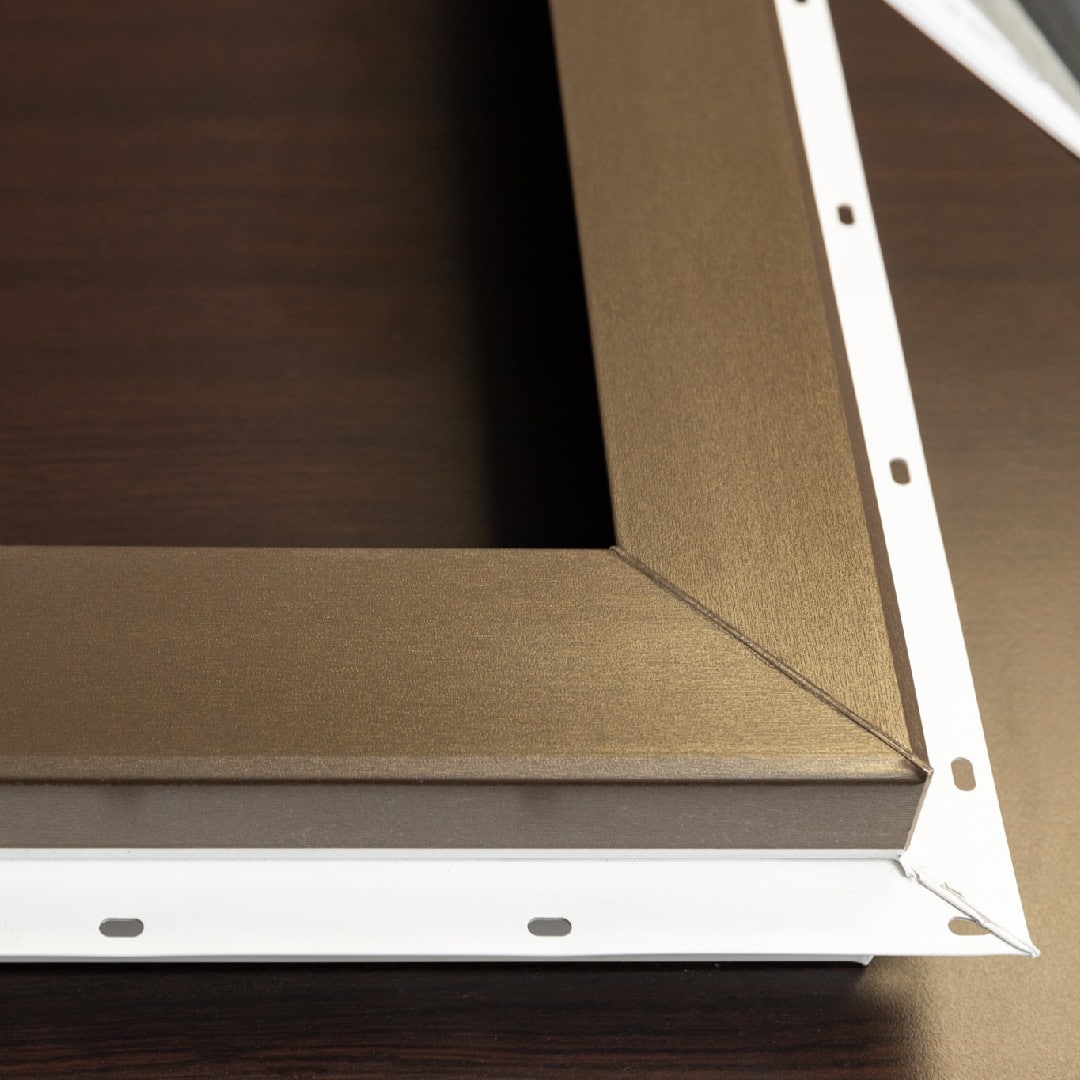
Profile wrapping is the controlled application of decorative films or laminates onto linear profiles such as aluminum, PVC, MDF, and engineered composites. Unlike liquid paint systems, profile wrapping uses solid films bonded with industrial adhesives under heat and pressure. This creates a uniform, factory-controlled finish that adheres uniformly to complex shapes and edges.
Modern automated profile wrapping systems have transformed window and door finishing. Instead of multiple coating passes, extended drying times, and rework, manufacturers can now achieve a finished surface in a single continuous process. Automated feed systems, tension controls, and precision rollers ensure consistent adhesion across long production runs. This is especially valuable for window and door frames, where dimensional accuracy and surface consistency directly affect performance and visual quality.
Modern Manufacturing Techniques Behind Profile Wrapping
Several technological advancements have accelerated the adoption of profile wrapping of window and door manufacturing:
- Automation and robotics now manage profile feeding, film alignment, and pressure control, reducing manual handling and variability.
- Advanced adhesive technologies, including hot-melt and low-VOC adhesive formulations, provide high bond strength while meeting environmental standards.
- Precision control systems allow manufacturers to wrap complex profile geometries such as bevels, curves, and deep channels without surface defects.
- Line integration enables wrapping systems to connect directly with extrusion, cutting, and assembly lines, improving throughput and reducing bottlenecks.
These techniques improve window and door finishing by minimizing waste, lowering rejection rates, and accelerating production cycles. Manufacturers gain predictable output and consistent quality, even at high volumes.
Durable Surface Performance: A Key Advantage
One of the primary advantages of profile wrapping is surface performance. Wrapped profiles offer strong resistance to UV exposure, moisture intrusion, temperature swings, scratches, and corrosion. High-quality films are engineered to maintain color stability and surface integrity in demanding environments.
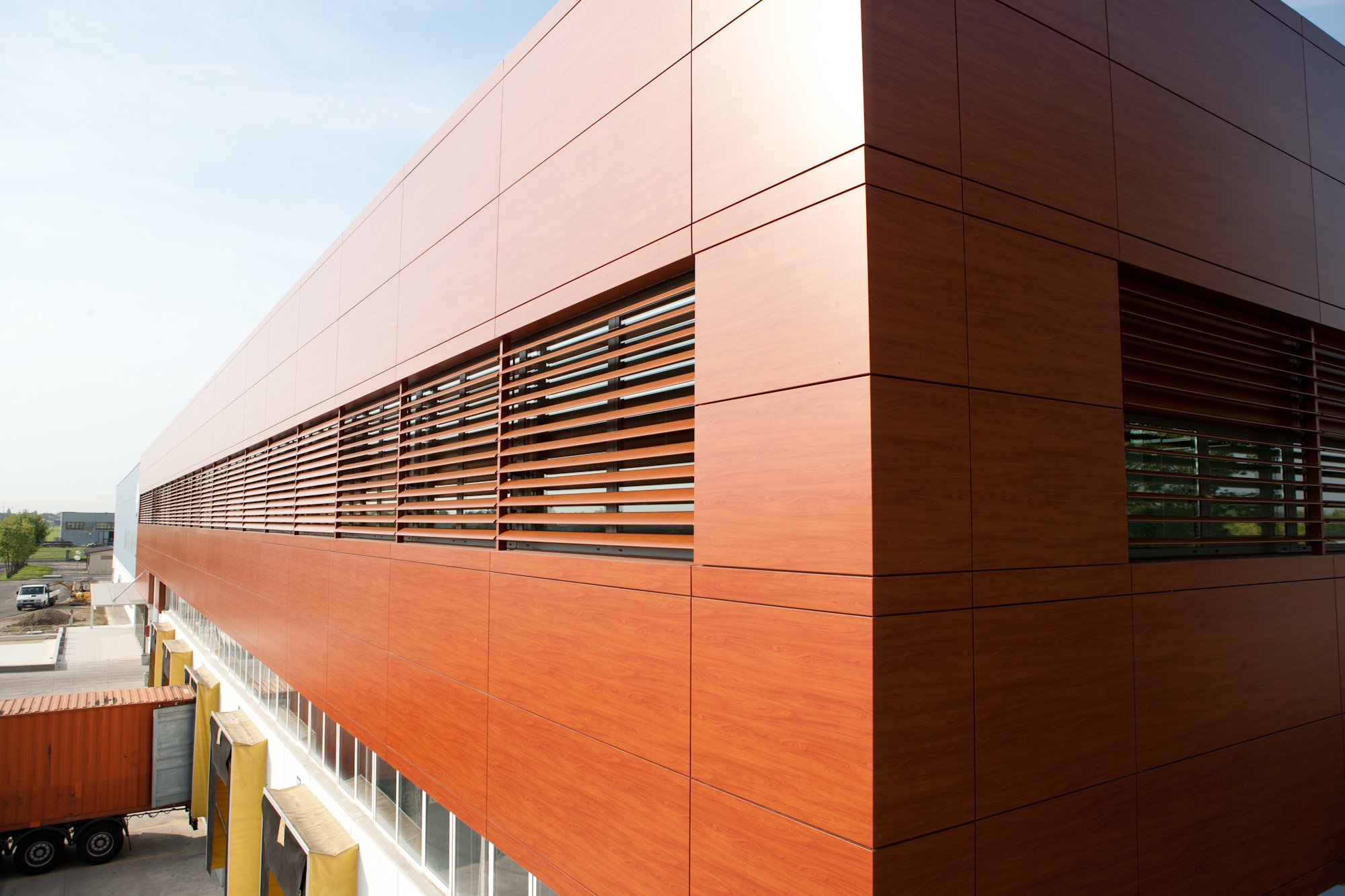
Design flexibility is another significant benefit. Profile wrapping can replicate natural wood grain, matte architectural tones, high-gloss finishes, or metallic effects with impressive realism. These surfaces protect exterior window and door elements while reducing the need for repainting or refinishing, extending product lifespan with minimal maintenance.
Top Benefits of Profile Wrapping for Window and Door Manufacturing
- Durability and Weather Resistance: Wrapped profiles maintain structural and visual integrity when exposed to sun, rain, and temperature changes, making them ideal for exterior frames.
- Design Flexibility: Manufacturers can offer wood-look finishes, custom colors, and modern textures without changing base materials.
- Low Maintenance: Wrapped surfaces resist fading and peeling, reducing cleaning and repainting requirements over time.
- Improved Production Efficiency: Automated lines increase output rates and reduce human error compared to manual finishing.
- Cost Efficiency: Reduced labor demands, reduced rework, and minimal material waste create more predictable manufacturing costs.
- Sustainability Gains: Many wrapping films use low-VOC adhesives and generate less waste than traditional coatings. According to the U.S. Environmental Protection Agency, “Using low-VOC materials and coatings helps reduce emissions that contribute to smog and can improve indoor and outdoor air quality.” (Source: EPA – Volatile Organic Compounds’ Impact on Indoor Air Quality)
- Consistent Quality and Brand Consistency: Uniform finishes enhance perceived product value and help manufacturers maintain brand consistency across product lines.
Exterior and Interior Applications
Profile wrapping is highly effective across both interior and exterior windows and door applications, making it a versatile solution for modern building design.
Interior Applications
For interior spaces, profile wrapping enhances visual consistency and durability. Wrapped moldings, trims, and door frames maintain a uniform finish throughout residential and commercial interiors.
Interior doors benefit from scratch-resistant surfaces that hold up under daily use. The same technology is commonly applied to cabinetry, millwork, and beadboard panels and trim, allowing designers to match window and door finishes with surrounding architectural elements.
Exterior Applications
Exterior use cases highlight the performance strength of profile wrapping. Weather-resistant wrapped window and door frames withstand prolonged UV exposure and moisture without corrosion or fading. Aluminum profile wrapping protects metal substrates while preserving a clean architectural look.
PVC wrapped trims on cladding and siding elements that rely on advanced protective coatings provide long-term resistance to rain and sun.. From an energy performance perspective, well-finished frames contribute to better overall system performance by supporting tighter seals and stable insulation values aligned with current industry efficiency trends.
Precision Profile Wrapping for Modern Windows and Doors
When you want window and door finishes that look sharp and perform for years, we’re here to help. At Stealth Finishing, we bring years of hands-on experience across residential and commercial projects, recognized as a trusted provider in profile wrapping for windows and doors. Through our comprehensive services, you get access to a wide range of styles, colors, textures, and finishes that fit everything from modern homes to large-scale architectural builds.
We support both budget-friendly and premium options, with customization built into every step. Using advanced wrapping machinery and advanced profile wrapping technology, we deliver consistent, high-quality results. You’ll also benefit from our client-first approach, design consultations, and deep understanding of modern architecture and sustainability goals.
For expert advice and estimates, call us at (214) 814-4101 or contact us.
FAQs
Is profile wrapping suitable for both aluminum and PVC window frames?
Yes, profile wrapping is commonly used on aluminum, PVC, MDF, and composite profiles with excellent adhesion and durability.
How long do exterior wrapped window and door profiles last?
High-quality exterior films are designed to last for years with strong resistance to UV exposure and weathering.
Does profile wrapping require special maintenance?
Maintenance is minimal and typically involves basic cleaning without repainting or sealing.
Is profile wrapping generally more sustainable than painting?
In many cases, yes, because it uses low-VOC adhesives and produces less waste than liquid coatings.
Can wrapped profiles match custom architectural designs?
Yes, films are available in a wide range of colors, textures, and finishes to support custom design requirements.