Trying to decide between wood vs composite materials can quickly turn into a frustrating back-and-forth. You want something that looks right, performs well, and does not create extra work down the line. At Stealth Finishing, we help homeowners and builders make confident material choices for both interior and exterior projects. The right decision is not just about appearance. It affects durability, maintenance, and how your investment holds up over time.
Wood Vs Composite Materials: Why This Choice Matters For Your Home
When you compare wood materials and composite materials, you are really deciding how your project will perform in the real world. These materials respond very differently to moisture, sunlight, and daily wear.
Wood has long been a go-to in home construction because of its strength and natural character. However, it expands and contracts with humidity and temperature changes, which can lead to cracking, warping, or rot if not properly maintained.
Composite materials are engineered to reduce those risks. Many are designed to resist moisture, insects, and UV exposure, making them a strong option for demanding environments. According to the U.S. Department of Energy, choosing the right materials for your building envelope plays a major role in durability and energy efficiency.
Making the right choice upfront helps prevent costly repairs, replacements, and maintenance headaches later.
Durability Comparison And Maintenance: What You Should Know About Building Materials
Understanding how wood vs composite materials perform over time is key to choosing the right option for your project.
Durability is often the first concern. Wood materials can last for decades when properly sealed and maintained, but they are vulnerable to moisture, insects, and UV damage. Without consistent care, wood can deteriorate faster than expected. Composite materials are designed to resist these issues, offering greater stability in environments where exposure is constant.
Maintenance is where the difference becomes more noticeable. Wood typically requires regular staining, sealing, or painting to protect it. This ongoing upkeep adds both time and cost. Composite materials require far less attention. In most cases, simple cleaning is enough to maintain their appearance.
Cost is not just about the initial price. Wood materials are often more affordable upfront, but long-term maintenance costs can add up. Composite materials usually cost more at the start, but they often reduce long-term expenses due to their durability and lower maintenance needs.
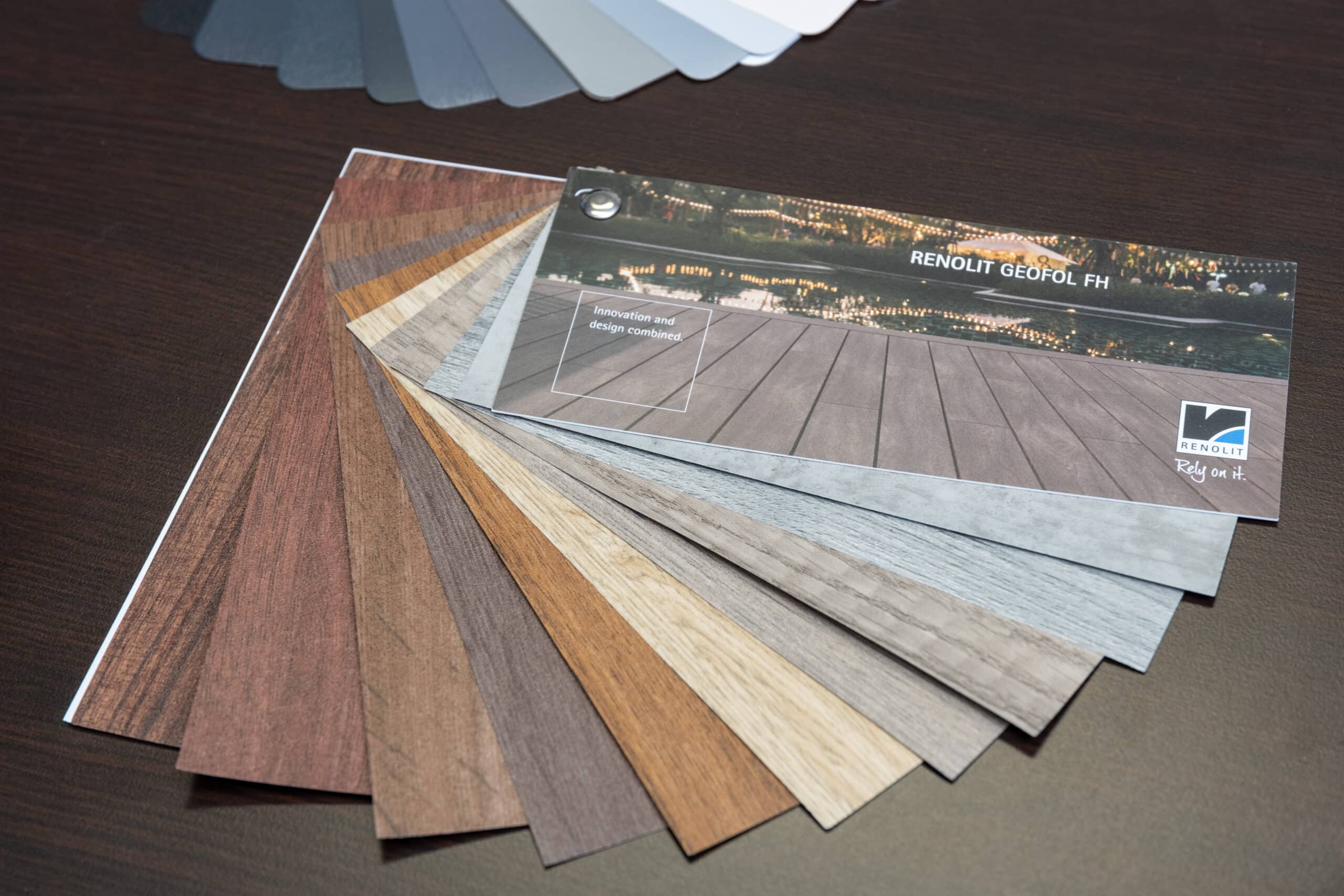
Aesthetic appeal is another important factor. Wood offers natural grain patterns and warmth that many homeowners prefer. Composite materials have improved significantly and can replicate wood tones and textures, but they may not fully match the authenticity of real wood.
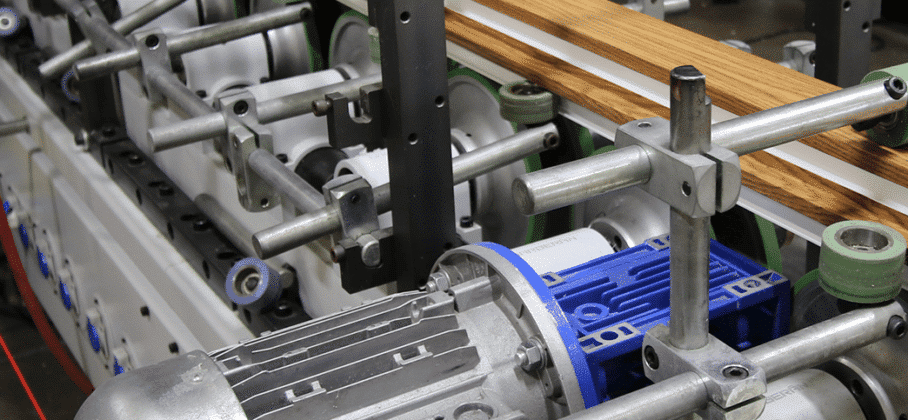
If your project includes trim, mouldings, cabinetry, or custom architectural elements, the best choice often comes down to how much durability you need without sacrificing appearance. For projects that need a consistent finish, added surface protection, and a polished look across multiple components, our wood and composite wrapping solutions can help bridge the gap between natural style and long-term performance.
From an environmental perspective, both options can be viable depending on sourcing and manufacturing. The Environmental Protection Agency highlights how thoughtful material selection can reduce waste and improve sustainability in construction.
Choosing The Right Material: Matching Wood Or Composite To Your Project
The most practical way to approach this decision is to match the material to the specific application.
For exterior projects like decking, siding, and trim, composite materials often perform better over time. They resist moisture and require less upkeep, which makes them ideal for areas exposed to the elements.
For interior projects, wood materials often provide more flexibility and visual appeal. Custom trim, built-ins, and detailed finishes benefit from the natural texture and workability of wood.
Instead of asking which material is better overall, focus on which one fits your project conditions, design goals, and maintenance expectations.
Wood Vs Composite Materials: Why Professional Guidance Makes A Difference
Material selection is not just about picking what looks good in a sample. It involves understanding how each option will perform in your specific environment.
Humidity levels, sun exposure, installation techniques, and structural requirements all influence long-term performance. Choosing the wrong material for the wrong setting can lead to premature wear or failure.
Working with experienced professionals helps you avoid those issues. We evaluate your project conditions, recommend materials that align with your goals, and ensure proper installation techniques are used.
Installation plays a critical role. Even high-quality materials can fail if they are not installed correctly. Proper spacing, sealing, and fastening all contribute to how well your project holds up over time.
Wood Vs Composite Materials: Practical Next Steps For Your Project
If you are deciding between wood vs composite materials, start by identifying your priorities.
Consider where the material will be used. Exterior applications often benefit from composite materials because of their durability and low maintenance. Interior spaces may benefit more from the natural beauty of wood materials.
For exterior applications, material performance matters even more because sun, moisture, and temperature swings can shorten the life of the wrong product. If you are comparing options for siding or other exposed surfaces, our exterior siding wrapping services show how the right finish can improve durability while still giving you the look you want for the overall design.
Think about how much maintenance you are willing to handle. If you prefer a low-maintenance option, composite materials are often the better choice. If you value natural aesthetics and do not mind periodic upkeep, wood may be the right fit.
Also consider long-term cost, not just upfront pricing. Maintenance, repairs, and lifespan all factor into the total investment.
If you want help choosing the right material for your project, we are here to make the decision easier. While Stealth Finishing was formed in 2016, we draw on over 40 years of combined experience in the window and door manufacturing industries, giving you practical insight into how different materials perform in real applications.
Whether you are planning an interior finish upgrade or an exterior project, contact us to talk through your options and get guidance tailored to your space.
FAQs
What is the main difference between wood and composite materials?
Wood is a natural material with unique grain and texture, while composite materials are engineered for durability and lower maintenance.
Which is more durable, wood or composite materials?
Composite materials are generally more durable in harsh conditions because they resist moisture, rot, and pests better than wood.
Is wood cheaper than composite materials?
Wood usually has a lower upfront cost, but composite materials can be more cost-effective over time due to reduced maintenance.
Do composite materials look like real wood?
Many composite materials are designed to mimic wood, but they may not fully replicate the natural variation and texture.
Which material is best for outdoor projects?
Composite materials are typically better for outdoor use because they handle weather exposure and require less maintenance.