A roof can look perfectly fine from the outside while hidden problems quietly develop underneath. Poor airflow, trapped moisture, and even pest entry often start in overlooked areas like roof soffits. These small but critical components play a major role in protecting your home’s structure. At Stealth Finishing, we help homeowners understand how roof soffits support ventilation, improve efficiency, and extend the life of their roofing system before small issues turn into costly repairs.
Why Roof Soffits Are Critical for Ventilation, Moisture Control, and Roof Protection
Your roofing system is designed to do more than shed water. It must regulate airflow, control moisture, and protect structural components over time. Roof soffits are essential because they allow fresh air to enter the attic while sealing off the underside of your roof overhang.
Without proper soffits, moisture can build up and lead to mold growth, wood rot, and insulation damage. According to the U.S. Department of Energy, proper attic ventilation helps reduce heat and moisture buildup, which directly impacts roof lifespan and energy efficiency.
Heat buildup is another major concern. In warmer months, trapped heat in the attic can raise indoor temperatures and force your cooling system to work harder. In colder conditions, poor ventilation can contribute to ice dams that damage shingles and gutters.
Soffits also help block pests from entering your attic through vulnerable roofline gaps. This added protection helps prevent damage to insulation, wiring, and structural components.
What Homeowners Should Know About Roof Soffits and Exterior Maintenance
Understanding how roof soffits function makes it easier to spot problems early and maintain a healthy roofing system.
Soffits are installed along the eaves where your roof meets the exterior walls. Many include vented panels that allow outside air to flow into the attic. This intake air works with exhaust vents to create balanced ventilation.
How Roof Soffits Improve Ventilation and Energy Efficiency
Balanced airflow is essential for maintaining stable attic temperatures and reducing moisture. The International Code Council provides ventilation guidelines that support safe and effective airflow in residential structures.
When soffits are working correctly, they help:
- Reduce heat buildup in the attic
- Protect insulation performance
- Lower heating and cooling costs
Proper ventilation also improves indoor comfort by preventing extreme temperature swings.
How Soffits Prevent Moisture Buildup and Structural Damage
Warm, moist air rises into the attic. Without ventilation, that moisture condenses on cooler surfaces and leads to mold, mildew, and wood rot.
Soffits allow continuous airflow that removes excess moisture before it can cause long-term structural damage. This is especially important in climates with high humidity or seasonal temperature changes.
How Roof Soffits Help Prevent Pest Entry
Openings along the roofline can attract birds, rodents, and insects. Soffits act as a protective barrier while still allowing airflow.
When soffits are damaged or missing, pests can easily enter your attic and create expensive problems. Keeping soffits in good condition helps protect both your roof and your home’s interior.
Choosing the Best Soffit Materials for Long-Term Performance
The material you choose affects durability, maintenance, and overall performance:
- Vinyl soffits are low-maintenance and resistant to moisture
- Aluminum soffits are durable and perform well in harsh conditions
- Wood soffits offer a traditional appearance but require ongoing maintenance
- Fiber cement soffits provide strong resistance to moisture and pests
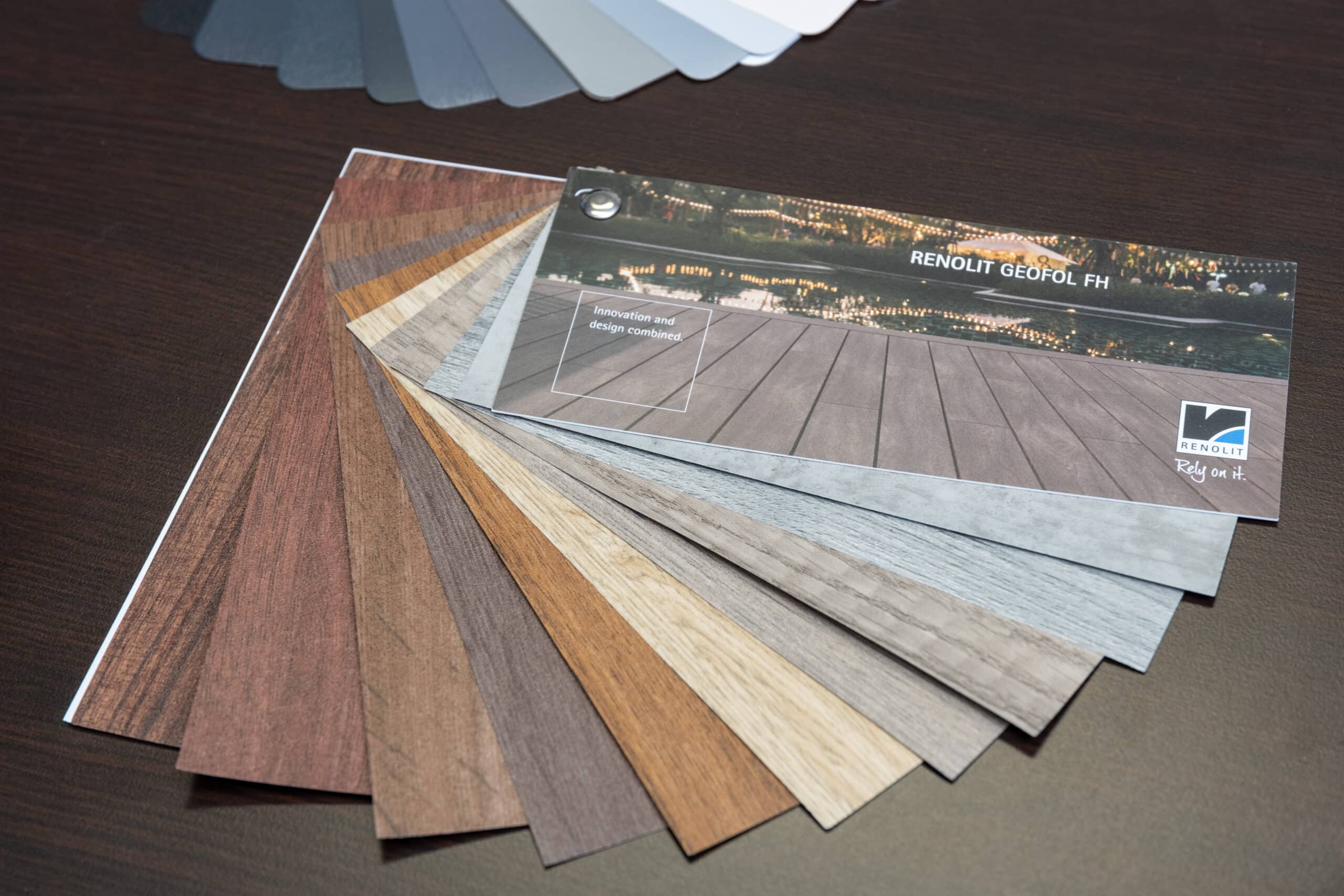
Selecting the right material depends on your climate, budget, and long-term maintenance goals. Material choice affects more than curb appeal. The right soffit material can improve moisture resistance, reduce upkeep, and help your roofline hold up better over time. If you want a clearer breakdown of how common options compare, our guide to soffit wrapping materials explains the differences between wood, aluminum, and PVC in terms of durability, maintenance, and long-term value.
Review-Based Example Or Key Supporting Insight
Many homeowners only discover soffit-related issues after noticing signs like mold in the attic, rising energy bills, or unexplained roof damage. In these situations, the underlying problem is often poor ventilation caused by damaged or blocked soffits.
What begins as a minor airflow issue can quickly lead to insulation deterioration and structural concerns. This highlights how easy it is to overlook soffits and how important it is to address issues early before they affect the entire roofing system.
Why Professional Soffit Installation and Inspection Matters for Long-Lasting Roofs
Soffits may seem simple, but proper installation requires an understanding of how ventilation systems work as a whole.
It is not just about adding vented panels. Effective ventilation depends on balancing intake airflow from soffits with exhaust airflow from roof vents. If that balance is off, your attic may still trap heat and moisture.
Improper installation can lead to:
- Restricted airflow
- Moisture buildup
- Uneven ventilation
- Increased risk of pest entry
When soffits begin to wear down, the problem is often bigger than appearance alone. Weak or aging soffits can leave roof edges more vulnerable to moisture intrusion, finish failure, and avoidable exterior deterioration. Reviewing our soffit wrapping solutions can give you a better sense of what durable, low-maintenance protection should look like when you are planning repairs or upgrades.
A professional inspection ensures your soffits are correctly installed and working with your entire roofing system, including insulation and ventilation components.
Practical Next Steps to Maintain Roof Soffits and Protect Your Home
Start by checking your soffits visually from the ground. Look for cracks, sagging panels, peeling paint, or visible openings. Inside your attic, watch for moisture, poor airflow, or signs of pests.
Routine maintenance such as cleaning vents and repairing minor damage can go a long way in protecting your home.
If you are unsure about your soffit condition or want expert guidance, Stealth Finishing can help you evaluate what your roofline needs now and what will protect it long term. While Stealth Finishing was formed in 2016, we draw on over 40 years of combined experience in the window and door manufacturing industries, which informs the quality and care we bring to exterior finishing work. You can contact us to schedule an inspection and make sure your roof ventilation system is working properly.
FAQs
What are roof soffits and why are they important?
Roof soffits are panels under the roof overhang that allow ventilation and protect against moisture and pests.
How do soffits improve roof ventilation?
They allow fresh air into the attic, helping remove heat and moisture through the ventilation system.
What happens if soffits are damaged or missing?
Moisture buildup, mold growth, higher energy bills, and pest infestations can occur.
Which soffit material is best for durability?
Vinyl and aluminum are popular for low maintenance, while fiber cement offers strong long-term durability.
How often should soffits be inspected?
At least once a year and after severe weather to ensure proper ventilation and prevent damage.