Beadboard has long been valued for its clean lines and classic texture, but the way it is finished has changed significantly. Beadboard wrapping has emerged as a preferred manufacturing solution for manufacturers and designers who need consistent results, faster production, and finishes that hold up over time.
Instead of relying on paint or stain alone, wrapping allows beadboard panels and profiles to be protected with durable decorative films that enhance both appearance and performance. This shift is influencing modern interior finishing solutions across residential, commercial, and light exterior applications.
Understanding Beadboard Wrapping
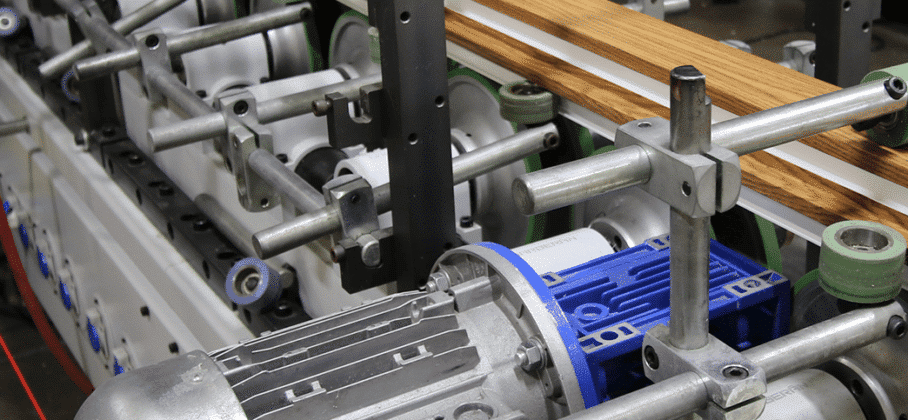
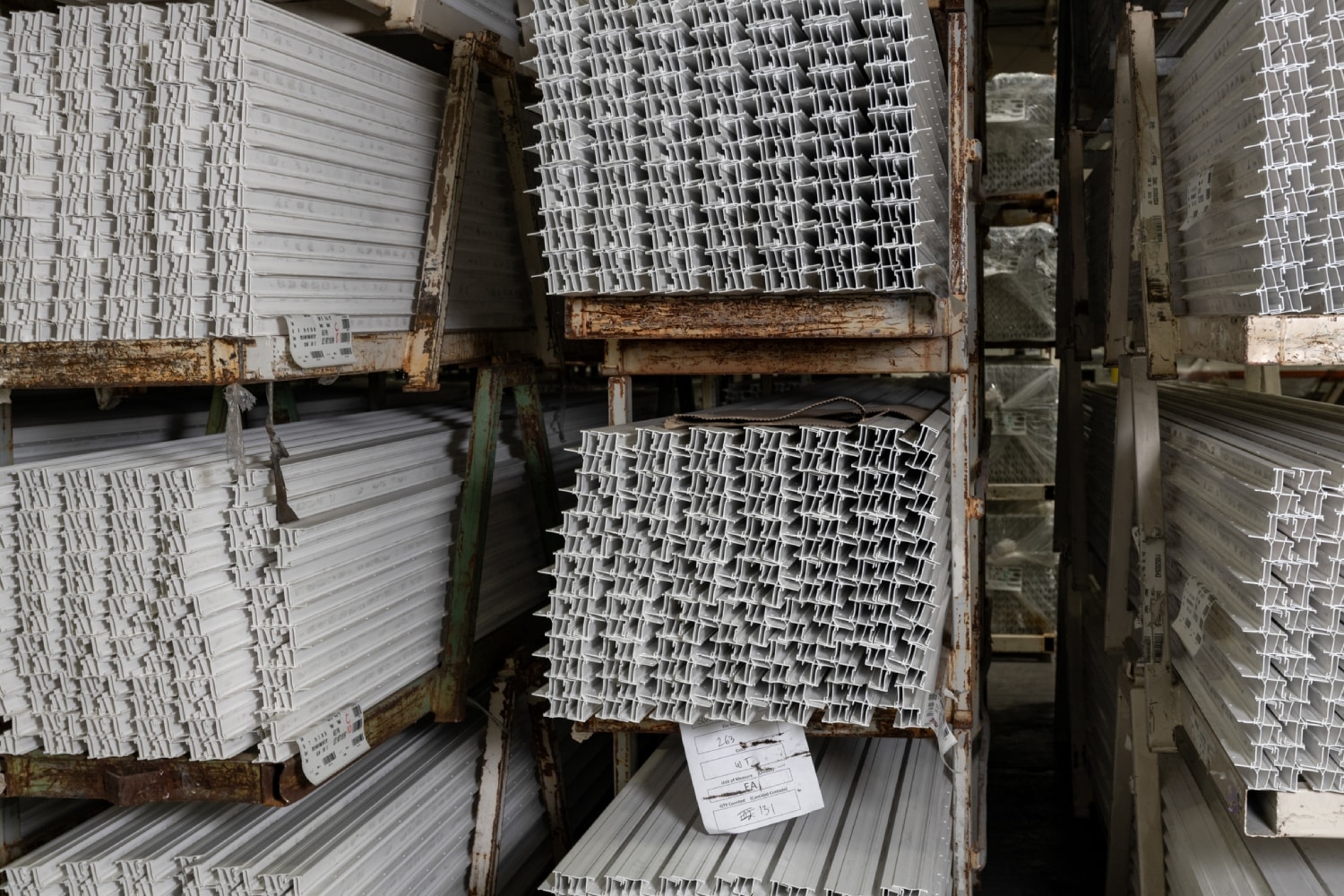
Beadboard wrapping is a profile finishing process in which beadboard panels or trim profiles are covered with decorative films, laminates, or veneers using specialized machinery. Rather than applying liquid coatings, the finish is bonded directly to the surface under controlled heat and pressure. The result is a uniform, factory-applied finish that appears consistent from piece to piece.
This process differs from traditional painting or staining in several important ways. Paint depends heavily on environmental conditions, applicator skill, and drying time. Variations in spray patterns, humidity, or cure times can lead to uneven color, drips, or early finish failure. Wrapping, by contrast, is a controlled manufacturing process. Every panel receives the same material, the same adhesive, and the same application pressure, which dramatically reduces variability.
Beadboard wrapping is commonly used for interior walls, ceilings, cabinetry components, and decorative trim components. In some cases, wrapped beadboard is also used in exterior or semi-exposed environments when paired with moisture-resistant films and UV-stable laminates, complementing other exterior siding and profile wrapping applications that boost curb appeal. This versatility makes it attractive to manufacturers looking to standardize quality while offering more design options.
How Beadboard Wrapping Works
- Surface Preparation: The process begins with thorough surface preparation. Beadboard panels or profiles are cleaned and smoothed to remove dust, oils, and surface defects. Proper preparation is critical because even minor contaminants can interfere with adhesive bonding and long-term durability.
- Material Selection: Next, the appropriate wrap material is selected. Options include PVC films and vinyl films, decorative laminates, PET or PP films, and real wood veneers. Each material offers different performance benefits. Some are chosen for moisture resistance and UV stability, while others focus on achieving premium wood-like aesthetics. This step directly supports durable wood finishes without the inconsistencies of natural lumber.
- Adhesive Application: Thermal hot-melt adhesive systems, such as EVA and PUR, are widely used. These adhesives are activated by heat and engineered to create strong, long-lasting bonds. PUR adhesives, in particular, are selected for their resistance to heat, moisture, and chemical exposure.
- Wrapping and Curing: The selected film or laminate is aligned precisely with the beadboard profile. Heat and pressure are applied as the material is pressed onto the surface. This activates the adhesive and forms a permanent bond as it cures.
- Inspection and Quality Control: Finished components undergo inspection to check for bubbles, misalignment, edge lifting, or surface defects. Modern wrapping systems and quality control protocols help identify and prevent issues such as warping or peeling before products leave the facility.
Materials Used in Beadboard Wrapping
Manufacturers choose wrap materials based on performance, appearance, and application demands:
- PVC and Vinyl Films offer excellent moisture resistance and easy maintenance, making them ideal for kitchens, bathrooms, and utility spaces.
- Woodgrain Laminates replicate the look of natural wood while eliminating color variation and reducing material waste.
- Real Wood Veneers deliver a premium appearance without the cost and instability of solid wood.
- High-Pressure Laminates (HPL) provide superior scratch and impact resistance for high-traffic environments.
- Eco-Friendly Wrap Films include low-VOC and recyclable options that align with sustainable building goals. According to the EPA, “some VOCs can cause short- and long-term adverse health effects, which is why low-emitting materials are recommended for indoor environments.” (Source: EPA – Volatile Organic Compounds and Indoor Air Quality)
By selecting the right combination of materials, manufacturers balance visual appeal with long-term performance.
Why Manufacturers Are Choosing Wrapping Over Painting
Manufacturers are moving away from traditional paint finishes for practical and operational reasons.
Consistency in Finish Quality
Wrapped beadboard delivers uniform color, texture, and sheen across large production runs. There is no variation from brush marks, overspray, or uneven drying. This consistency improves perceived and measured product quality and protects brand reputation.
Enhanced Durability and Longevity
Wrapped finishes resist moisture, UV exposure, scratches, and everyday wear more effectively than paint. Paint can crack, fade, or peel over time, especially in humid or high-use areas. Wrapping reduces maintenance demands and lowers total life-cycle costs.
Faster Production and Manufacturing Efficiency
Wrapping lines operate continuously and eliminate long drying and curing stages. Automated systems reduce manual labor and speed up throughput. Shorter cycle times translate into lower manufacturing costs and quicker project delivery.
Design Flexibility and Customization
Beadboard wrapping supports a wide range of finishes, including realistic wood grains, matte tones, metallic looks, and textured surfaces. Manufacturers can meet custom design requirements without adding complexity or multiple coating steps, giving customers a premium look without premium material costs.
Stealth Finishing Leads in Beadboard Wrapping Services
At Stealth Finishing, we apply proven experience from residential and commercial aluminum window wrapping and soffit wrapping in wood, aluminum, and PVC into every beadboard wrapping project. You get access to a wide selection of styles and finishes, supported by state-of-the-art machinery and precision wrapping technology.
We’ve delivered customized wrapping solutions across Texas, Nevada, and Ohio, working closely with homeowners, builders, and architects to match real design and performance needs. Call us at (214) 814-4101 or schedule an expert consultation and estimate.
FAQs
What is beadboard wrapping used for?
Beadboard wrapping is used to finish panels and profiles with durable decorative films that improve consistency, durability, and appearance.
Is beadboard wrapping more durable than paint?
Yes, wrapped finishes generally resist moisture, UV exposure, and wear better than traditional paint.
Can wrapped beadboard be used in humid areas?
Moisture-resistant films and adhesives make wrapped beadboard suitable for kitchens, bathrooms, and similar spaces.
Does wrapping limit design options?
No, wrapping expands design flexibility with a wide range of colors, textures, and woodgrain effects.
Is beadboard wrapping environmentally friendly?
Many wrap materials are low-VOC and recyclable, supporting more sustainable interior finishing solutions.