Trying to upgrade your walls but unsure which design will actually improve your space? Many homeowners struggle to find a finish that adds character without overwhelming the room. With so many beadboard styles for interiors available, it can be difficult to choose the right one. At Stealth Finishing, we help you simplify that decision so you can create a space that feels polished, functional, and visually balanced from every angle.
Why Beadboard Styles for Interiors Matter in Modern Design
Beadboard is not just decorative wall paneling. It is a practical design solution that adds texture, structure, and visual interest to your home interiors. Flat walls can feel unfinished, while beadboard introduces subtle lines that create depth and dimension.
Different beadboard styles influence how a room feels. Vertical lines naturally draw the eye upward, making ceilings appear higher. Horizontal layouts stretch the visual width of a room, helping smaller spaces feel more open. These effects align with core interior design principles supported by the American Society of Interior Designers.
Beyond aesthetics, beadboard also improves durability. It protects walls from scuffs, moisture, and everyday wear, especially in high-traffic areas like hallways, kitchens, and bathrooms. The National Association of Home Builders highlights how durable interior finishes can contribute to long-term home performance and value.
Understanding Beadboard Styles: Vertical, Horizontal, Wide, and Narrow Options
Choosing the right beadboard style comes down to how each option changes the look and function of your space.
Vertical beadboard is the most traditional and widely used option. The panels run from floor to ceiling, creating a timeless look that works well in farmhouse, coastal, and classic interiors. It is especially effective in smaller rooms because it adds perceived height.
Horizontal beadboard creates a more modern and unexpected design. By running panels side to side, you can visually widen a room. This makes it a strong choice for narrow hallways, bedrooms, or contemporary living spaces.
Wide beadboard panels offer a cleaner and more minimal appearance. With fewer grooves, the design feels less busy and more streamlined, making it ideal for open-concept areas or modern interiors.
Narrow beadboard panels provide more texture and detail. The tighter spacing creates a classic, decorative look that works well in traditional spaces or as an accent feature.
Placement is just as important as style. Wainscoting adds subtle elegance and wall protection, while full-wall installations create a bold design statement. Beadboard ceilings can also introduce warmth and architectural interest to otherwise plain spaces.
If you want more visual direction before choosing between vertical, horizontal, wide, or narrow panels, these beadboard design ideas for walls and ceilings can help you compare how different layouts change the feel of a room. Looking at real placement ideas for accent walls, ceilings, hallways, kitchens, and bathrooms makes it easier to match beadboard styles with the scale, lighting, and overall mood of your interior.
In moisture-prone areas, proper installation is essential. The Environmental Protection Agency emphasizes the importance of moisture control and material selection to prevent long-term damage in interior environments.
How the Right Beadboard Style Enhances Your Space
The impact of beadboard goes beyond appearance. The right style can completely change how a room feels and functions.
Vertical beadboard in a bathroom can create a clean, spa-like environment that feels open and calming. Horizontal beadboard in a living room can modernize the space and make it feel more expansive. Wide panels can simplify a busy design, while narrow panels add character where detail is needed.
When used intentionally, beadboard becomes more than decoration. It becomes a design feature that supports both comfort and visual balance.
Why Expert Planning Makes a Difference in Beadboard Installation
Even the best beadboard styles for interiors require careful planning and execution. Small installation mistakes can affect alignment, spacing, and overall appearance.
Proper surface preparation ensures panels sit evenly and securely. In areas exposed to humidity, sealing and moisture protection are critical to prevent warping or deterioration over time.
Design consistency is another key factor. Beadboard should complement existing elements like trim, flooring, and cabinetry. When everything aligns, the result feels cohesive and professionally finished.
It is also important to avoid overdesigning a space. While beadboard adds texture, too much can overwhelm the room. A balanced approach ensures the design enhances rather than distracts.
Practical Next Steps for Choosing the Right Beadboard Style
Start by identifying your design goal. Do you want to make the room feel taller, wider, or more detailed? Your answer will help guide your choice between vertical, horizontal, wide, or narrow beadboard styles.
Next, consider where the beadboard will have the most impact. Wainscoting is a great option for subtle upgrades, while full-wall or ceiling applications create a stronger visual statement.
Think about how beadboard will interact with your existing décor, including colors, lighting, and furniture. A cohesive design will always feel more intentional and refined.
Material quality also plays a major role. High-quality decorative boards provide better durability and a smoother finish, which contributes to a long-lasting result.
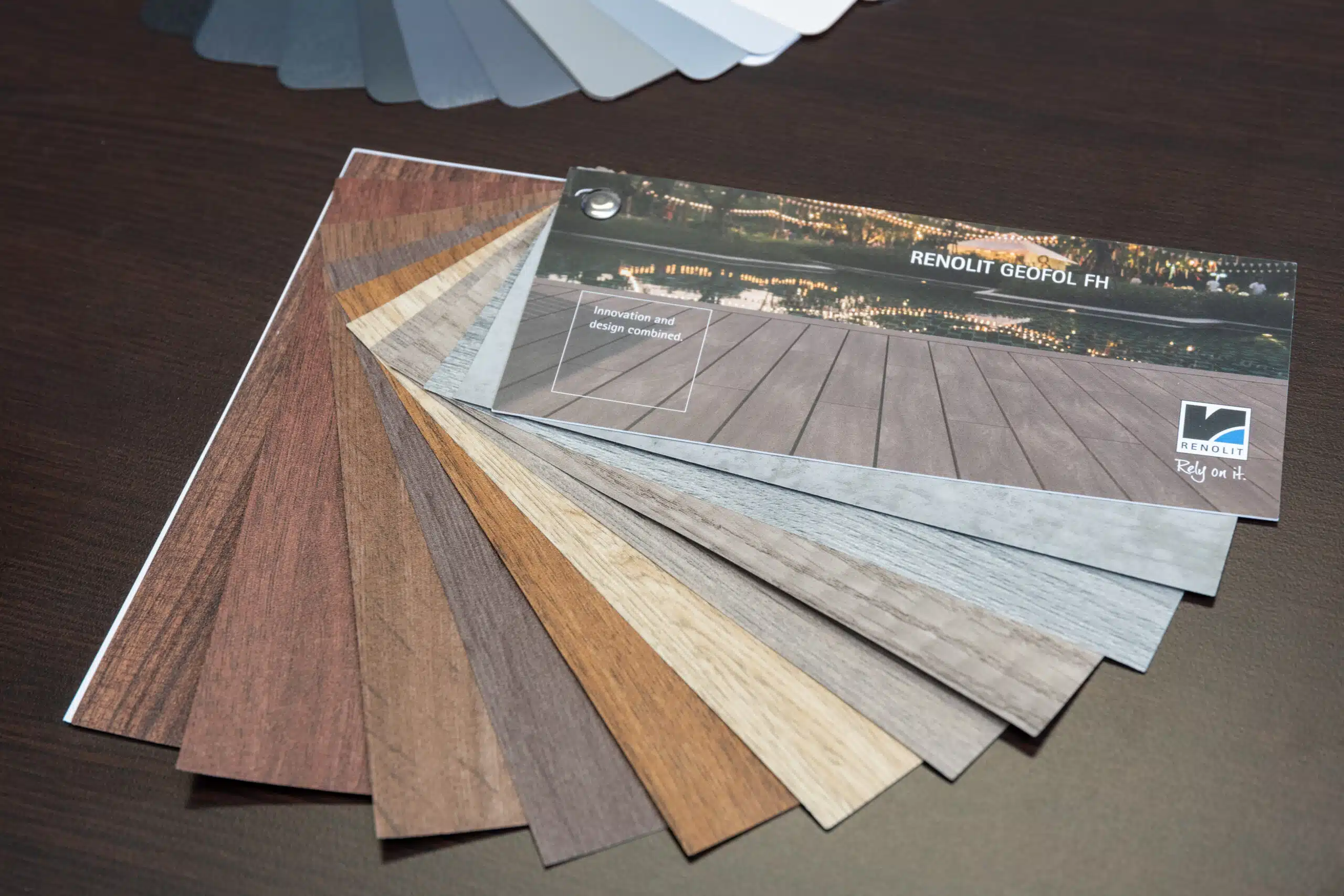
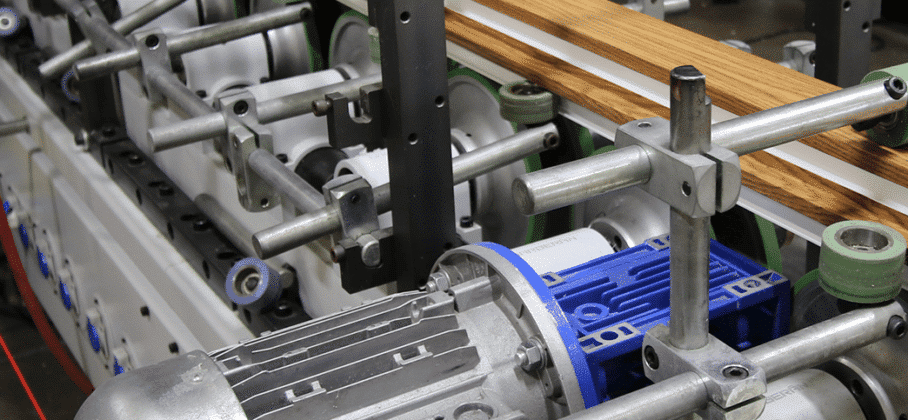
When you are narrowing down materials and finishes, reviewing our beadboard profile wrapping solutions can help you think beyond style alone and focus on durability, texture, and long-term performance. This is especially useful when you want decorative boards that look refined but also hold up well in high-use interior spaces, giving you a finish that supports both design goals and everyday function.
Stealth Finishing was formed in 2016, and we bring over 40 years of combined experience from the window and door manufacturing industries, giving you practical insight into materials, finishes, and long-term performance as you plan a more polished interior. If you are ready to transform your interior with the right beadboard style, contact us to discuss your project and get expert guidance tailored to your home.
FAQs
What is the most popular beadboard style for interiors?
Vertical beadboard remains the most popular because of its timeless look and ability to make rooms feel taller.
Can beadboard be used in modern interior design?
Yes, horizontal and wide beadboard styles are commonly used in modern interiors for their clean and simple appearance.
Where can beadboard be installed in a home?
Beadboard is commonly used on walls, as wainscoting, on ceilings, and in kitchens, bathrooms, and entryways.
Is beadboard suitable for moisture-prone areas?
Yes, when properly installed and sealed, beadboard performs well in areas like bathrooms and kitchens.
How do I choose between wide and narrow beadboard panels?
Wide panels create a modern, minimal look, while narrow panels add texture and are better suited for traditional designs.