Architectural metal finishing shapes both the appearance and long-term performance of metal building components. The right finish protects doors, windows, trim components, and panels from weather, wear, and fading while providing precise control over color, texture, and surface durability. From powder coating and laminates to aluminum profile wrapping and anodizing, each technique serves a specific purpose.
Understanding how these finishes perform helps you make confident choices that balance design intent, durability, and maintenance expectations across residential and commercial spaces.
Understanding Architectural Metal Finishing
Architectural metal finishing refers to the processes used to protect, enhance, and customize metal components used in building envelopes and interior systems. These finishes serve two primary purposes. They elevate appearance through decorative and protective metal finisheswhile also improving corrosion resistance, UV stability, and surface durability.
In architectural design, metal finishing is not a secondary consideration. It directly impacts lifecycle costs, tolerance to environmental exposure, and compliance with performance standards. According to The Aluminum Association, “Properly applied architectural finishes not only extend the life of the metal but also support sustainable building practices by reducing the need for replacement materials over the building’s lifecycle.” (Source: The Aluminum Association – Aluminum in Building and Construction)
Architects, builders, and specifiers evaluate finishes based on performance criteria such as weathering resistance, color retention, abrasion tolerance, and compatibility with specific substrates like aluminum or steel.
Modern architectural metal coatings allow the same base metal to perform differently depending on its environment. Coastal buildings require stronger corrosion resistance. High-traffic doors and frames demand abrasion-resistant surfaces. Exterior trims need finishes that resist fading, chalking, and peeling. Understanding the strengths and limits of each finishing method helps ensure the finished structure looks intentional from day one and remains reliable for decades.
Powder Coating (Architectural Powder Coating)
Powder coating is a dry finishing process where electrically charged powder particles are sprayed onto metal surfaces and then cured in an oven. Heat causes the powder to melt and chemically bond to the substrate into a continuous, durable coating.
Architectural powder coating is widely used because it produces a uniform finish with excellent adhesion and low volatile organic compound emissions. It provides strong corrosion resistance, consistent color coverage, and long-term surface durability. Powder coating supports a wide range of decorative metal finishes, from matte neutrals to textured and metallic effects.
Performance expectations are commonly defined by AAMA standards:
- AAMA 2603 covers basic exterior applications.
- AAMA 2604 is used for higher durability and moderate weather exposure.
- AAMA 2605 represents the highest performance level, with color retention and corrosion resistance expected to exceed 10+ years under severe exposure.
Powder coating is commonly selected for doors, window frames, siding panels, and exterior trims where durability and finish consistency are critical.
Laminates for Architectural Metal
Architectural metal laminates are thin films or layers applied over metal substrates to create decorative finishes that are difficult to achieve with coatings alone. Laminates are often used to replicate wood grain, stone, or textured patterns while maintaining the strength of metal beneath.
Compared with powder coating, laminates offer broader design versatility. They are commonly applied to doors, window trims, cladding, and exterior panels where visual detail is a priority. Laminates can deliver consistent patterns across large surfaces, which is especially valuable in commercial projects.
From a performance standpoint, laminates excel in visual aesthetics but may require protective top layers to enhance UV resistance and surface durability. When properly specified, laminated finishes can perform well in exterior environments, particularly when paired with quality substrates and edge protection.
Wrapping (Profile Wrapping and Exterior Siding Wrapping)
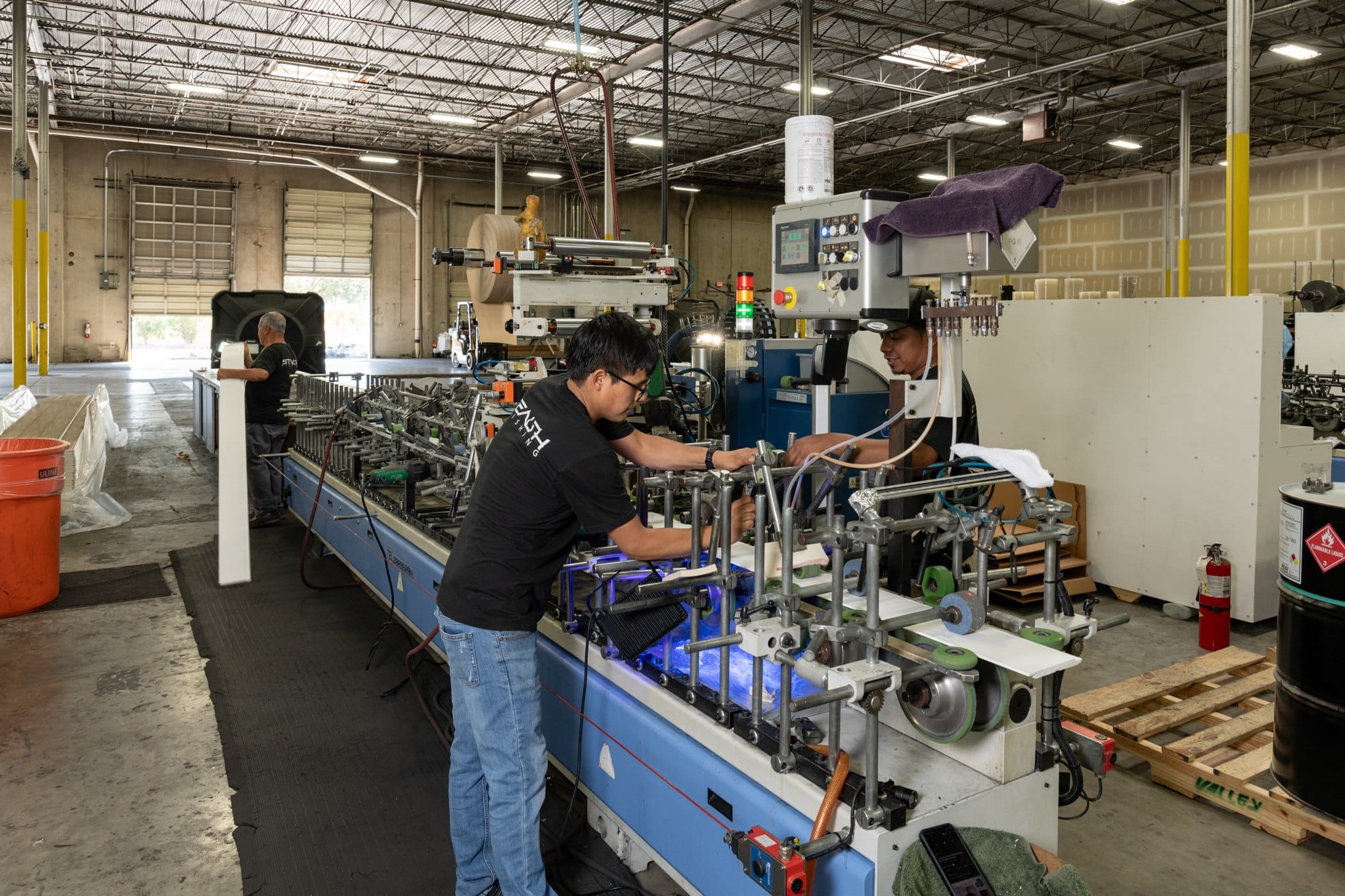
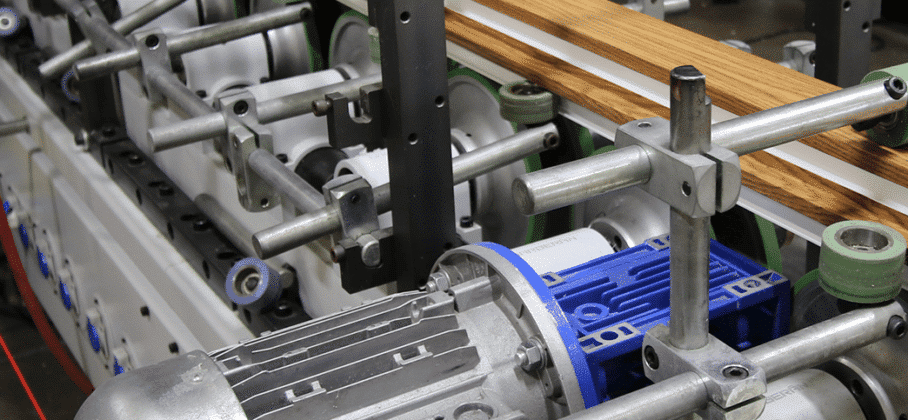
Profile wrapping involves applying PVC, vinyl, or composite films to metal profiles using heat and pressure. In architectural contexts, wrapping is widely used for aluminum profiles, trims, soffits, fascia, and exterior cladding systems.
This method is popular because it enables faster installation, high design flexibility, and a durable protective layer without the need for on-site finishing. Wrapped profiles resist weathering, UV exposure, and moisture while offering a wide range of colors and textures, including realistic wood-look finishes.
From a maintenance perspective, wrapped metal surfaces are easy to clean and typically do not require repainting. This makes profile wrapping an efficient solution for both residential and commercial buildings where long-term appearance and reduced upkeep are priorities.
Anodizing
Anodizing is an electrochemical process that increases the natural oxide layer on metal surfaces, most commonly aluminum alloys. Rather than adding a coating, anodizing transforms the surface layer itself.
This process enhances corrosion resistance while preserving a metallic appearance. Anodized finishes are valued for their clean, modern aesthetic and long-term stability.
- Type II anodizing is typically used for cosmetic architectural applications.
- Type III hardcoat anodizing increases abrasion resistance and is used where surfaces face frequent contact or wear.
Anodizing is often specified for window frames, hardware, and trim components exposed to high traffic. Compared to powder coating, anodized finishes offer a more metallic look but fewer color options.
Architectural Metal Finishing Applications
A. Doors and Door Frames
Doors and frames must withstand impact, frequent use, and outdoor exposure. High-performance powder coating meeting AAMA 2604 or 2605 standards is often the preferred choice for exterior doors.
Anodized finishes are commonly used for hardware due to their wear resistance and long-term appearance stability. Performance benchmarks include high color retention and resistance to corrosion at edges and corners.
B. Windows and Window Frames
Window systems face constant sun exposure, moisture, and temperature swings. Powder coating and anodizing are both widely used, depending on design goals. In coastal or high-exposure regions, AAMA 2605 powder coatings are often specified for superior durability. Anodizing is favored where a metallic aesthetic and abrasion resistance are desired.
C. Siding and Exterior Panels
Exterior panels require finishes that maintain color and gloss over time. Powder coated panels, laminated surfaces, and wrapped profiles are all viable options. High-quality systems can deliver long-term resistance to fading and chalking when installed and maintained correctly.
D. Trims and Accents
Trims and accents often balance decorative appeal with durability. Laminates and wrapped profiles are popular for visual detail, while anodizing or powder coating is chosen where higher wear resistance is needed. The right finish depends on exposure and design emphasis.
Get Beyond Surface Finishes Built to Last
At Stealth Finishing, we treat metal profile wrapping as a precision craft, not a surface upgrade. You get access to advanced wrapping systems and modern metal finishing techniques built for durability, consistency, and visual impact. We deliver personalized finishes that work just as well for a single residential feature as they do for large-scale large-scale architectural and industrial applications
With a wide selection of styles and finishes, years of hands-on experience, and licensed, certified processes, we stay committed to the highest standards. Our pricing stays competitive without cutting corners, and every solution is tailored to how you plan to use the space. For expert guidance, consultations, or estimates, call us at (214) 814-4101 or contact us.
FAQs
How long do architectural metal finishes typically last?
High-performance finishes such as AAMA 2605 powder coatings can last 10+ years with minimal fading when properly applied and maintained.
Is powder coating environmentally safe?
Yes, powder coating produces very low VOC emissions and is considered an environmentally responsible finishing option.
Can laminated finishes be used outdoors?
Laminates can be used outdoors when paired with UV-resistant layers and proper edge protection.
What is the main difference between anodizing and powder coating?
Anodizing becomes part of the metal surface and offers a metallic look, while powder coating provides more color and texture options.
Is profile wrapping suitable for exterior trims?
Yes, profile wrapping is widely used for exterior trims due to its weather resistance and low maintenance requirements.