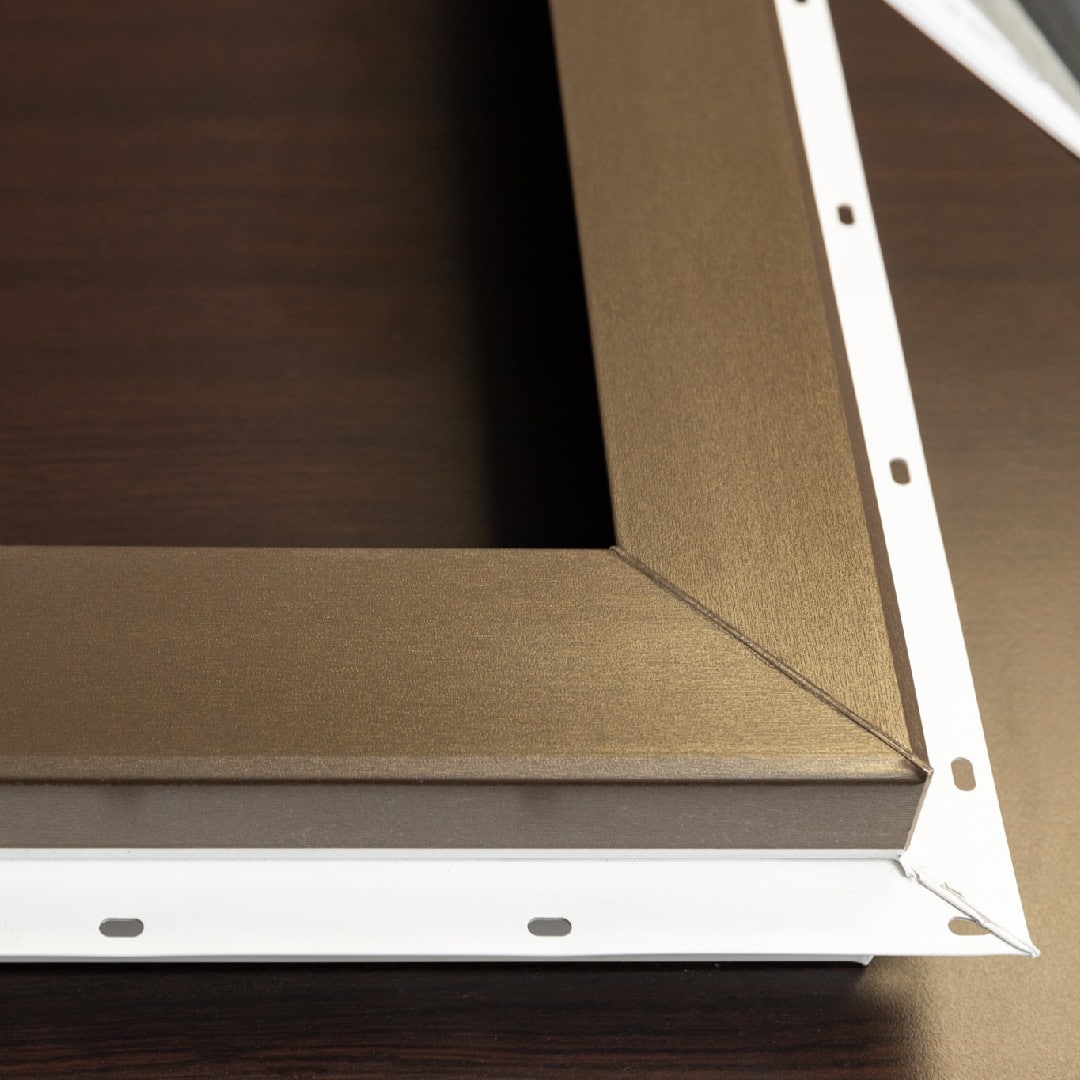
Plastic coating is a protective polymer-based surface layer applied to safeguard substrates against wear, moisture, UV exposure, and chemical damage. Traditional painting relies on liquid pigments and binders to add color and basic protection, but it typically offers less resistance to long-term environmental stress. Choosing between plastic coating and painting affects durability, adhesion strength, weather performance, visual flexibility, and overall cost.
This article compares plastic coating vs painting across key performance areas: durability, adhesion, weather resistance, aesthetic options, and cost, so you can select the most appropriate solution for your project.
Plastic Coating vs Painting: A Comparison
Modern architectural and building materials must do more than look good. They need to withstand weather exposure, daily wear, and long-term use while controlling maintenance costs. This is where the differences between plastic coatings and traditional paint become clear.
Plastic coatings are engineered systems designed to protect surfaces while maintaining consistent visual quality over time. Painting remains popular for its flexibility and lower upfront cost, but it often requires more frequent upkeep. Below is a practical comparison across five performance areas that matter most for long-term results.
Durability and Long-Lasting Finishes
Durability refers to how well a finish resists abrasion, impact, UV radiation, chemicals, and environmental stress. Plastic coatings, including polyurethane and advanced polymer coatings, are built to withstand these challenges. In many exterior and industrial applications, properly applied coatings can perform for 15–20+ years with minimal performance loss.
Painted surfaces, especially outdoors, typically show fading, chalking, or peeling within 5–10 years, depending on environmental exposure and surface preparation. Paint performs adequately in controlled or low-impact environments, but it degrades faster under UV exposure, moisture, and temperature changes.
Plastic coating systems are commonly specified where long service life and reduced maintenance are priorities, particularly for architectural profiles, exterior components, and high-use surfaces, and they are often chosen as practical painting alternatives when frequent repainting is a concern.
Adhesion and Surface Bonding Strength
Adhesion determines whether a finish stays bonded or fails through peeling, cracking, or flaking. Plastic coatings achieve strong adhesion through controlled manufacturing processes and proper surface preparation. Powder coatings and engineered plastic coatings often use electrostatic attraction or chemical bonding to achieve uniform coverage and reliable adhesion.
Painting often relies on primers to bond effectively, especially on plastics or metals. Without correct primers or surface treatment, paint adhesion can weaken over time. Plastic substrates are particularly challenging for paint, often requiring specialized primers and additional surface activation to prevent early failure.
Stronger adhesion translates directly into longer service life and fewer repair cycles, making coatings more dependable for demanding applications.
Weather Resistance and Environmental Exposure
Exterior surfaces must withstand UV radiation, moisture, and humidity, freeze–thaw cycles, and thermal expansion. Plastic coatings are formulated to resist UV breakdown, moisture penetration, and temperature-related movement. This makes them well suited for exterior siding, window frames, doors, and architectural elements.
Paint provides basic protection but is more vulnerable to fading, blistering, and cracking when exposed to prolonged sunlight and moisture. In coastal or industrial environments, paint deterioration accelerates due to salt exposure and airborne contaminants. According to the EPA, “durable surface coatings can reduce material degradation and extend product life cycles by minimizing environmental damage.” (Source: EPA Sustainable Materials Management)
Aesthetics and Customization Potential
Paint offers extensive color-matching flexibility, making it popular for decorative interior applications and projects requiring frequent aesthetic updates. Touch-ups are easier, and color changes are more straightforward.
Plastic coatings deliver consistent color, texture, and sheen across large production runs. While highly specific custom color matching may be more limited, coatings provide uniform finishes, including matte, satin, gloss, textured, and metallic effects. For projects where consistency and performance outweigh frequent style changes, coatings offer a clear advantage.
The choice often comes down to purpose. Paint favors short-term visual flexibility. Coatings favor long-term visual stability.
Maintenance Cost Comparison
Initial cost is where paint often appears more attractive. Painting typically requires lower initial investment and simpler equipment. Plastic coatings usually involve higher material and application costs due to specialized machinery and controlled processes.
Over time, maintenance costs tell a different story. Repainting cycles every 5–10 years add labor, material, and downtime costs. Over a 20-year period, multiple repainting cycles can exceed the initial cost of a single coating application.
Plastic coatings reduce repainting frequency, limit surface repairs, and lower long-term maintenance expenses. For commercial and exterior applications, coatings often deliver better lifecycle value and return on investment.
Pros and Cons: Summary of Advantages and Limitations
Plastic Coating: Pros
- Superior durability against weather, impact, and chemicals.
- Longer service life, often exceeding 15 years.
- Reduced maintenance and repainting cycles.
- Excellent surface protection for exterior and industrial use.
- Strong long-term cost efficiency over the product lifecycle.
Plastic Coating: Cons
- Higher upfront material and application costs.
- Requires skilled technicians and specialized equipment.
- Less flexibility for extreme custom color matching.
Painting: Pros
- Lower initial cost.
- Broad color and finish options.
- Easier touch-ups and localized repairs.
Painting: Cons
- Shorter lifespan in harsh environments.
- More frequent maintenance and repainting.
- Greater risk of fading, peeling, and chalking.
Painting is well-suited for interior décor and low-exposure areas where aesthetics drive decisions. Plastic coatings perform best in exterior, high-use, and performance-driven environments where durability matters more than frequent style changes.
Coatings Designed for Long-Term Performance
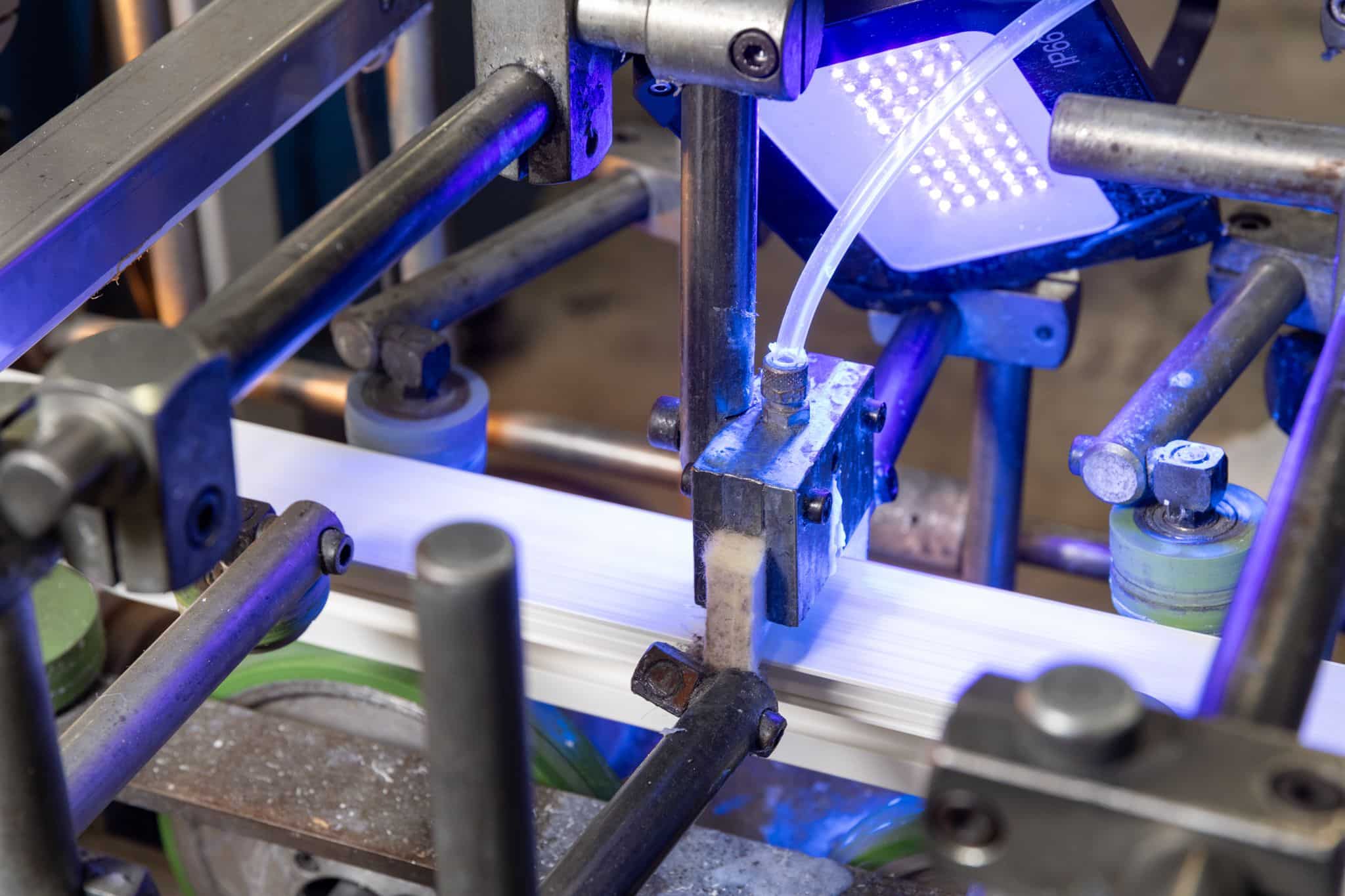
At Stealth Finishing, we provide plastic coating solutions engineered for long-term performance. Our coatings protect doors, windows, decorative surfaces, and architectural components across residential and commercial projects. With over 40 years of experience, we apply advanced coating systems using precision machinery and robotic automation to ensure consistent results at scale.
We design customized solutions for both small specialty projects and large-volume production, all while meeting strict quality and industry standards. Consistent turnaround times and dependable finishes help your surfaces perform longer and look better with less maintenance.
For expert guidance, call us at (214) 814-4101 or request a consultation and estimate.
FAQs
Is plastic coating better than paint for outdoor use?
Yes. Plastic coatings provide stronger UV resistance, moisture protection, and longer service life than paint in outdoor environments.
Does plastic coating cost more than painting?
The upfront cost is higher, but plastic coatings often cost less over time due to reduced maintenance and fewer repaint cycles.
Can paint be applied to plastic surfaces effectively?
It can, but it usually requires specialized primers and surface preparation, and adhesion may still be weaker than coatings.
Which option lasts longer on architectural profiles?
Plastic coatings typically last 2–3 times longer than paint on architectural profiles exposed to weather and wear.
Is plastic coating environmentally responsible?
Yes. Longer-lasting coatings reduce material waste and repainting frequency, supporting sustainability goals.