Plastic profile wrapping has become a widely adopted surface-finishing solution across manufacturing, construction, and architectural industries in the U.S. Its adoption is driven by performance demands that traditional coatings struggle to meet. From exterior building components to furniture and interior trims, plastic profile wrapping delivers durability, design flexibility, and cost efficiency in one controlled process.
This process delivers consistent finishes, long service life, and reduced maintenance, while manufacturers gain repeatable quality and scalable production without sacrificing visual appeal.
Plastic Profile Wrapping: Popular Choice for Modern Designs
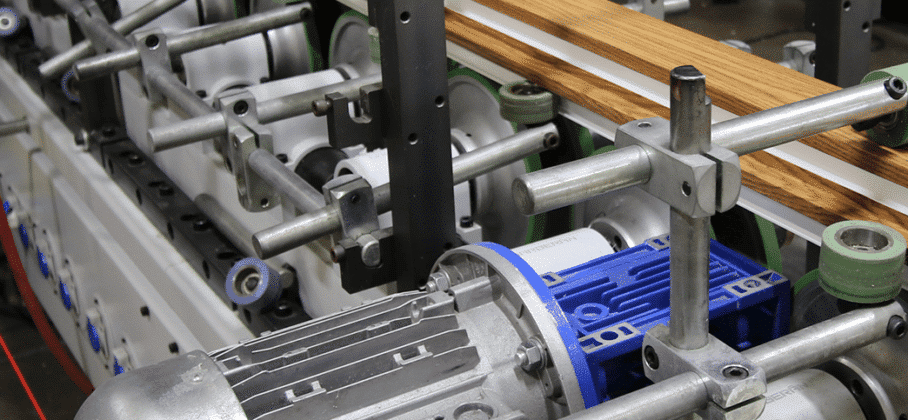
Plastic profile wrapping is an industrial finishing process that bonds thermoplastic films to linear substrates using heat-activated adhesives and specialized wrapping equipment. The most commonly used films are PVC (polyvinyl chloride) and PP (polypropylene), selected for their durability, flexibility, and environmental resistance. These films are wrapped around substrates such as aluminum, MDF, PVC boards, fiber cement, and engineered wood to create a seamless, protective surface.
The process relies on controlled heat, pressure, and adhesive activation to ensure long-term adhesion integrity. Modern profile wrapping machinery allows tight tolerances, consistent film tension, and uniform adhesion even on complex profiles. This makes plastic profile wrapping suitable for both straight runs and intricate architectural shapes.In the U.S. market, profile wrapping is widely adopted for windows, doors, siding components, soffits, furniture parts, and decorative trims. Its adoption is closely tied to material performance expectations defined by organizations such as ASTM, which establish benchmarks for durability, weathering, and material behavior in real-world environments. According to ASTM, “standardized material testing ensures that construction products meet performance requirements for long-term use under environmental stress.” (Source: ASTM International)
PVC Profile Wrapping Benefits
Engineered for Performance and Longevity
The advantages of PVC profile wrapping begin with exceptional material durability. PVC films are engineered to withstand prolonged moisture exposure, UV radiation, corrosion, and extreme temperature fluctuations. In climates that experience high humidity, intense heat, freeze-thaw cycles, or direct sunlight, PVC-wrapped profiles maintain structural integrity and visual consistency significantly longer than conventional painted or unfinished surfaces.
PVC profile wrapping supports both exterior and interior applications, meeting long lifecycle performance expectations in residential, commercial, and institutional environments. This makes PVC profile wrapping a preferred solution in U.S. markets where environmental stress is unavoidable and long-term durability is essential.
Durable Plastic Finishes That Withstand Wear and Tear
Durable plastic finishes often outperform conventional surface treatments in high-traffic and exposed environments. Profile-wrapped components resist abrasion, chemicals, and impact damage that commonly degrade painted or laminated surfaces. Frequent handling, routine cleaning, and environmental exposure have minimal impact on finish quality.
This performance is especially valuable in commercial buildings, multi-family housing, healthcare facilities, and educational environments where surfaces are subject to constant use. By maintaining appearance over time, plastic profile wrapping reduces maintenance requirements, limits premature replacements, and protects the underlying substrate.
This results in fewer service interruptions, lower upkeep costs, and a more predictable lifecycle cost profile.
Design Freedom and Versatility: Where Plastic Profile Wrapping Excels
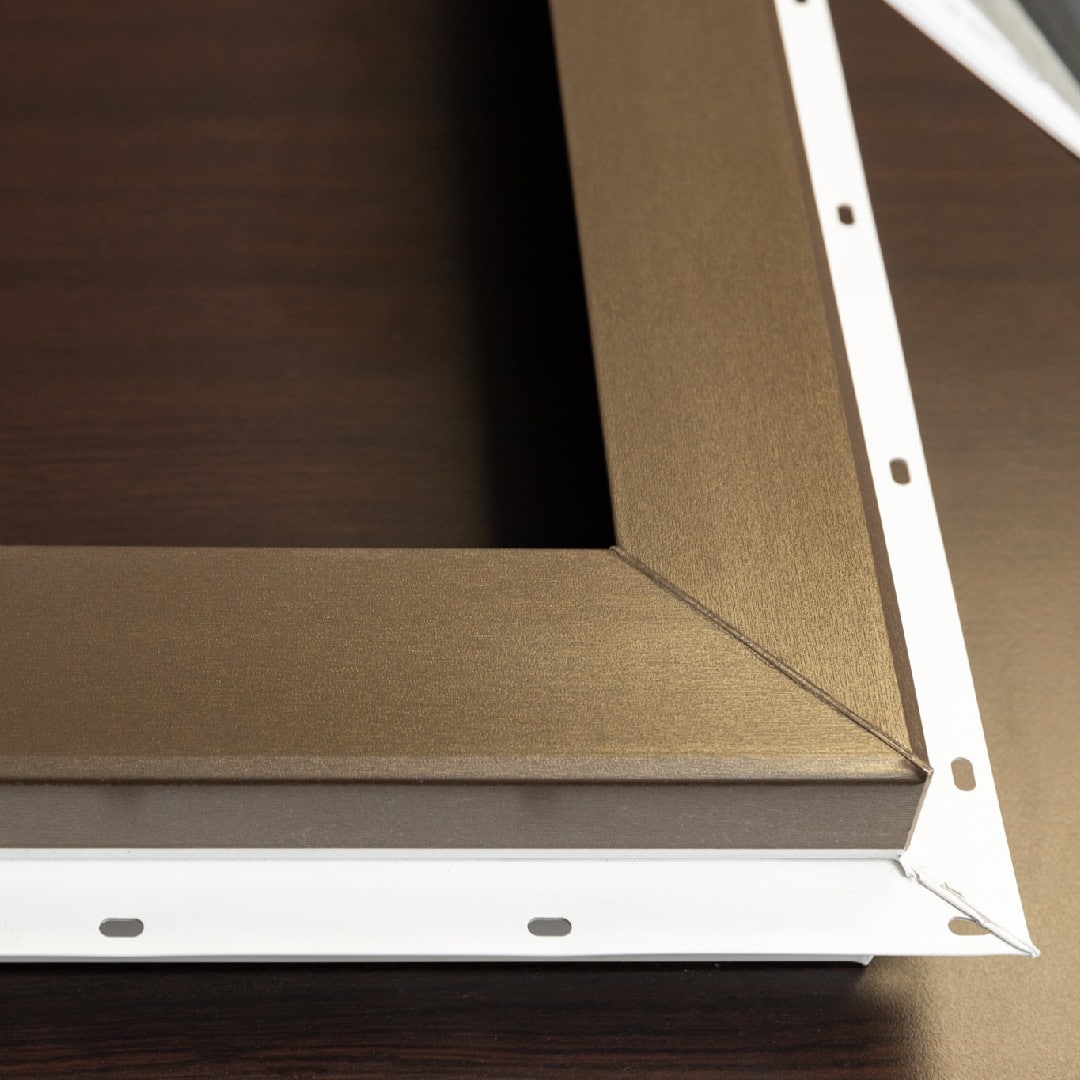
Plastic profile wrapping offers high design versatility without sacrificing performance. Available finishes include realistic woodgrain, stone, and metallic visual finishes, along with custom colors and textures. Surface options range from matte and satin to high-gloss finishes that support contemporary architectural aesthetics.
Architects and designers use profile wrapping to achieve a consistent visual language across doors, windows, trims, and furniture elements. Because the finish is factory-applied under controlled conditions, color matching and texture consistency remain consistent across production batches.
Wrapped profiles allow manufacturers and designers to align with modern architectural trends while maintaining compliance with building codes and material performance standards. This balance between form and function is a key reason plastic profile wrapping continues to replace traditional finishing methods.
Cost-Effective Profile Wrapping: Long-Term Value Beyond Initial Investment
Cost-effective profile wrapping provides long-term value beyond upfront pricing. The economic advantage comes from reduced repainting cycles, lower maintenance demands, and minimized material waste during production. Unlike paint or site-applied coatings, profile wrapping is completed in controlled environments that reduce rework and inconsistencies.
Over time, wrapped components require fewer touch-ups and replacements, translating to predictable operating costs. Labor efficiency, reduced downtime, and long service life contribute to overall savings. Cost-effectiveness is achieved through performance and efficiency, rather than through lower-quality materials, making plastic profile wrapping a financially sound choice for long-term projects.
Plastic Wrapping Applications Across Industries
Plastic profile wrapping applications extend across multiple industries, offering scalable solutions for both custom fabrication and high-volume manufacturing.
- Furniture Manufacturing: Plastic profile wrapping is widely used for cabinet doors, shelving, trims, and decorative components. Manufacturers benefit from consistent finishes, scratch resistance, and tight quality control in mass production environments. Wrapped furniture components maintain appearance during handling, shipping, and daily use, supporting visual consistency and customer satisfaction.
- Windows and Doors: PVC and PP wrapping are widely used solutions for window frames, door profiles, and mullions. These applications demand weather resistance, thermal stability, and long-term aesthetic performance. Profile-wrapped components resist fading, moisture intrusion, and surface degradation, making them well-suited for exterior exposure and energy-efficient building systems.
- Architectural and Exterior Elements: Plastic profile wrapping is commonly applied to soffits, fascias, exterior trims, cladding accents, and siding components. Wrapped profiles protect substrates from moisture penetration and UV damage while delivering cohesive visual design across building envelopes. For both residential and commercial projects, cost-effective profile wrapping provides scalable durability across projects without sacrificing design intent.
Across all industries, plastic profile wrapping supports efficient production, predictable performance, and long-term value.
Advanced Plastic Profile Wrapping Solutions
At Stealth Finishing, we deliver advanced profile wrapping solutions designed for long-term performance and visual consistency. Our team provides custom wrapping services for residential and commercial projects, including doors, windows, furniture trim, and decorative laminates. With over 40 years of experience in high-quality PVC, vinyl, and wood wrapping, we combine skilled craftsmanship with advanced wrapping machinery and automated systems.
We support both small-scale custom work and large-volume production with quick turnaround times and consistent quality. Contact our team at (214) 814-4101. You can also request expert consultations and estimates.
FAQs
What is plastic profile wrapping used for?
Plastic profile wrapping is used to protect and finish linear components such as doors, windows, furniture parts, and architectural trims with durable thermoplastic films.
Is PVC profile wrapping suitable for exterior use?
Yes, PVC profile wrapping is designed to resist moisture, UV exposure, and temperature changes, making it suitable for exterior applications.
How long do profile-wrapped finishes last?
When properly manufactured and installed, profile-wrapped finishes can last for decades with minimal maintenance.
Is plastic profile wrapping more cost-effective than painting?
Over the lifecycle of a product, plastic profile wrapping is often more cost-effective due to reduced maintenance, fewer refinishing cycles, and longer service life.
Can plastic profile wrapping match custom designs?
Yes, profile wrapping supports custom colors, textures, and finishes, allowing consistent design across multiple components.