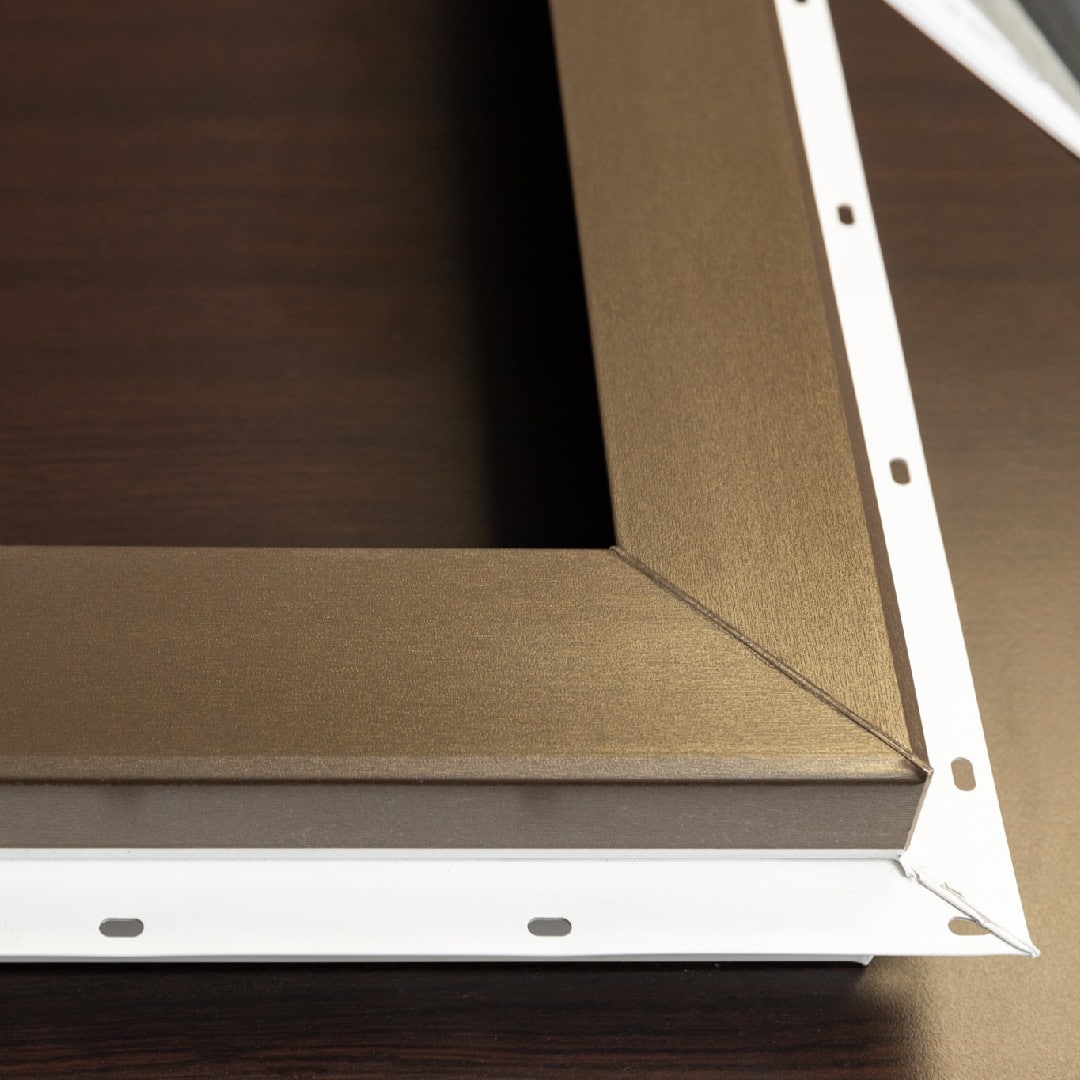
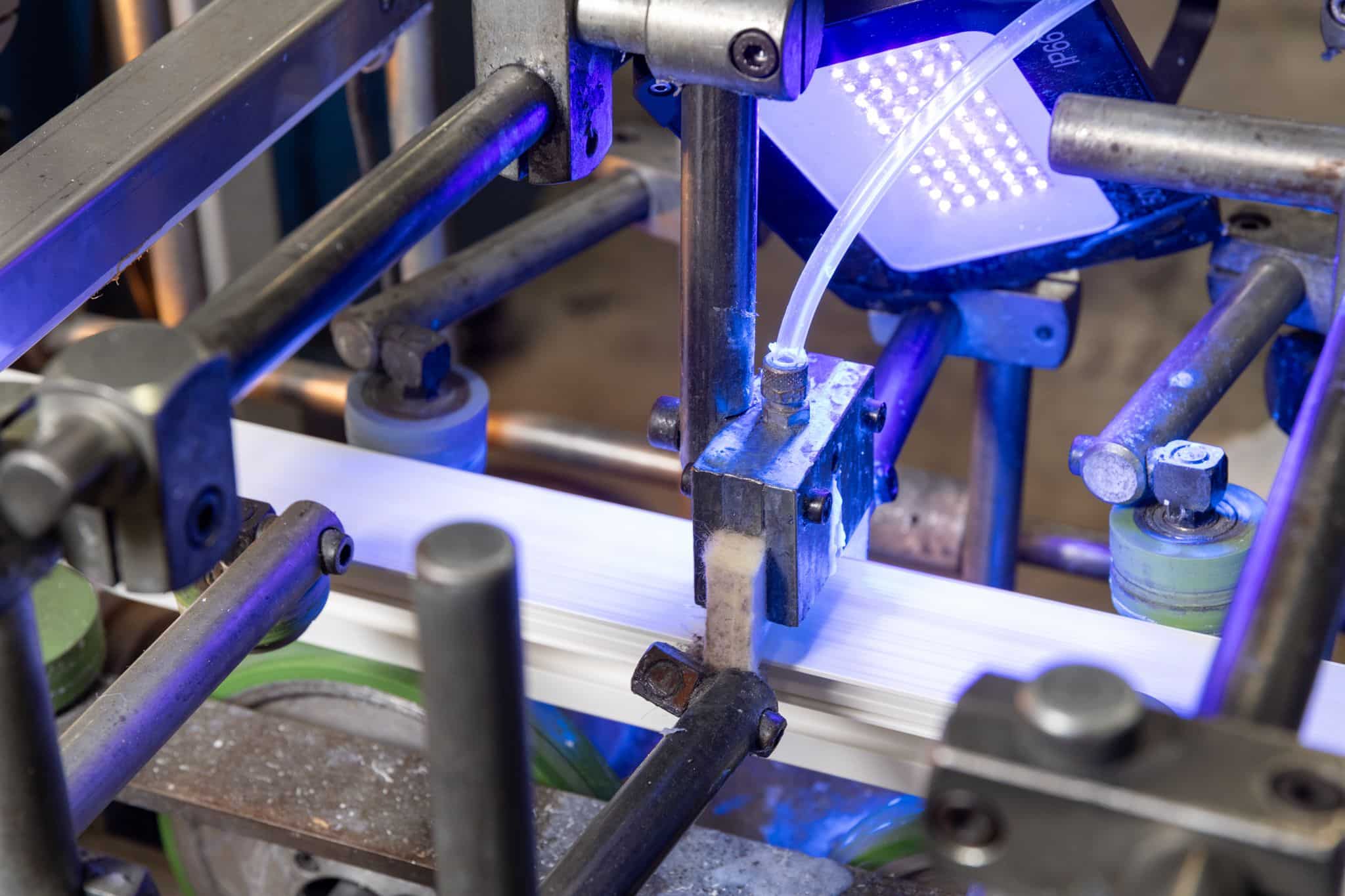
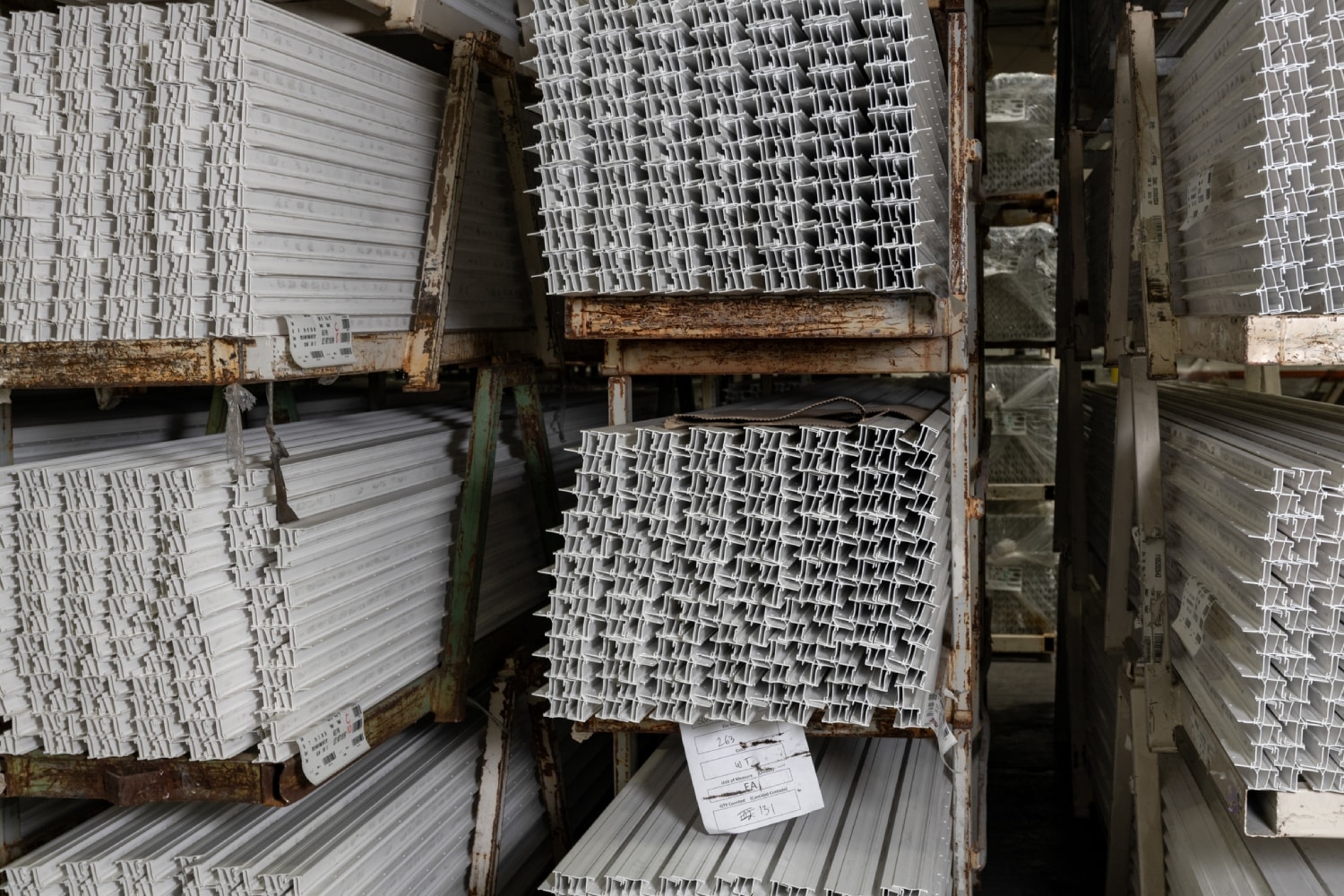
The finishing process directly influences long-term product performance after installation. The right finish protects surfaces from moisture, UV exposure, corrosion, and daily wear while enhancing appearance and long-term value. When finishes are selected carefully, durability is improved, control maintenance costs, and extend service life across residential and industrial applications.
The finishing process for metal, plastic, aluminum, and wood requires different strategies for each material, and understanding those differences helps you choose solutions that balance protection, aesthetics, and cost-effectiveness.
Finishing Process for Metal, Plastic, Aluminum, Wood: A Comparison
Selecting a finishing process is not a universal decision. Each material reacts differently to coatings, environmental exposure, and wear. Below is a detailed, material-by-material comparison to help you select the most effective solution based on performance requirements and application type.
Metal Finishes
Common Finishing Methods:
- Powder coating
- Anodizing
- Electroplating
- Painting
- Clear coats
Durability Comparison
Powder coating and anodizing offer excellent resistance to corrosion, impact, and weather exposure, making them suitable for both indoor and outdoor applications. Electroplating delivers decorative appeal but can require ongoing maintenance in humid or high-moisture environments.
Painted metal provides flexibility in color and finish but is more prone to chipping and scratching over time when surface preparation is inadequate.
Cost Considerations
Powder coating and anodizing are cost-efficient for high-volume production due to consistent application and reduced rework. Custom painting and electroplating increase costs for low-volume or highly detailed projects.
Aesthetic Options
Metal finishes range from matte and high-gloss to metallic and textured surfaces, allowing alignment with industrial or architectural design goals.
Applications
Residential applications include railings, kitchen fixtures, and trim elements. Industrial applications include structural beams, machinery housings, and HVAC components. For professional solutions, explore our comprehensive metal wrapping and finishing services.
Plastic Finishes
Common Finishing Methods
- Painting
- Powder coating
- Vacuum metallization
- Chemical surface treatments
Durability and Surface Protection
Plastic substrates typically require specialized surface preparation to ensure proper adhesion. UV-resistant coatings help prevent fading and brittleness in outdoor installations. Chemical surface treatments improve scratch resistance and coating longevity.
Cost and Production Considerations
Powder coating and vacuum metallization are well-suited for high-volume manufacturing runs where consistency is critical. Smaller projects often rely on specialized painting systems designed for plastics.
Aesthetic Options
Plastic finishes support precise color matching, smooth or textured surfaces, and premium metallic appearances without adding significant weight.
Applications
Common uses include window and door trims, furniture components, automotive parts, and decorative architectural features. Learn more about our plastic wrapping and finishing services.
Aluminum Finishes
Common Finishing Methods
- Anodizing
- Powder coating
- Painting
- Brushing
- Clear coats
Durability Comparison
Anodizing and powder coating provide long-term corrosion resistance and UV stability, particularly for exterior architectural installations. Brushed aluminum highlights natural metal character but may require regular maintenance to preserve appearance.
Cost and Production
Powder coating and anodizing are cost-effective for large-scale architectural projects. Brushed or painted aluminum is often specified for smaller, design-driven applications.
Aesthetic Options
Aluminum finishes range from subtle matte tones to bold metallic sheens, supporting both modern and traditional architectural styles.
Applications
Typical applications include siding panels, soffit systems, window frames, and architectural accents. Explore our aluminum wrapping and finishing services.
Wood Finishes
Common Finishing Methods
- Staining
- Painting
- Varnishing
- Polyurethane
- Laminates
Durability and Surface Protection
Varnishes and polyurethane coatings protect wood substrates from moisture penetration and UV degradation. Laminates offer enhanced scratch resistance in high-traffic environments.
Cost and Production Considerations
Staining and painting remain cost-effective across small and large projects. Premium varnishes and laminates increase upfront costs but significantly reduce long-term maintenance requirements.
Aesthetic Options
Wood finishes enhance natural grain patterns or create smooth, uniform color finishes in matte or gloss textures.
Applications
Wood finishes are commonly used for cabinetry, furniture, exterior siding, and decorative wall panels. View our professional wood and composite wrapping services.
Residential and Industrial Applications
The right finishing method depends heavily on where and how the product will be used.
Residential Applications
Common residential projects include window trims, cabinetry, furniture, siding panels, and decorative railings. These applications typically prioritize visual appeal, UV stability, and durability under moderate environmental exposure.
Industrial Applications
Industrial environments demand finishes that withstand abrasion, chemicals, moisture, and constant use. Machinery components, metal railings, HVAC systems, and aluminum siding typically require corrosion resistance and consistent performance under continuous use.
Expert Recommendation
Working with experienced finishing professionals ensures correct surface preparation, controlled application, and long-term performance. Compliance with ASTM standards and the use of certified processes significantly improve reliability and long-term performance outcomes. According to ASTM International standards, “controlled coating thickness and adhesion testing are essential for long-term finish performance.” (Source: ASTM – Standards)
Custom Finishing Solutions Engineered for Performance
When you want finishes that go beyond standard coatings, we bring the experience and precision to make it happen. At Stealth Finishing, we specialize in residential and commercial profile wrapping with a wide range of styles, textures, and performance-driven finishes. Using state-of-the-art machinery and precision application technology, we deliver customized solutions for projects across Texas, Nevada, and Ohio.
Our team works directly with you through detailed consultations, ensuring every finish aligns with your design goals and performance needs. Call us at (214) 814-4101 to request expert stimates.
FAQs
What is the most durable finishing option for outdoor metal products?
Powder coating and anodizing offer superior corrosion resistance and UV protection for long-term outdoor exposure.
Can plastic products be powder-coated?
Yes, but only with proper surface preparation and temperature-controlled processes designed specifically for plastic substrates.
Is anodizing better than painting aluminum?
Anodizing provides deeper corrosion resistance and longer lifespan, while painting offers greater color flexibility.
How often do wood finishes need maintenance?
High-quality varnishes and polyurethane coatings can last several years, depending on exposure and use conditions.
Does professional finishing extend product service life?
Proper surface preparation and certified application methods significantly reduce premature coating failure.