Profile wrapping is changing how manufacturers finish and protect modern window and door components. Instead of relying on traditional coatings, the process applies engineered decorative laminates directly to extruded or fabricated profiles, creating durable finishes that are built to last.
For manufacturers, architects, and builders, this process delivers superior durability, elevated aesthetics, and streamlined production efficiency that traditional finishing systems struggle to match.
Profile Wrapping for Windows and Doors: The Industry Evolution
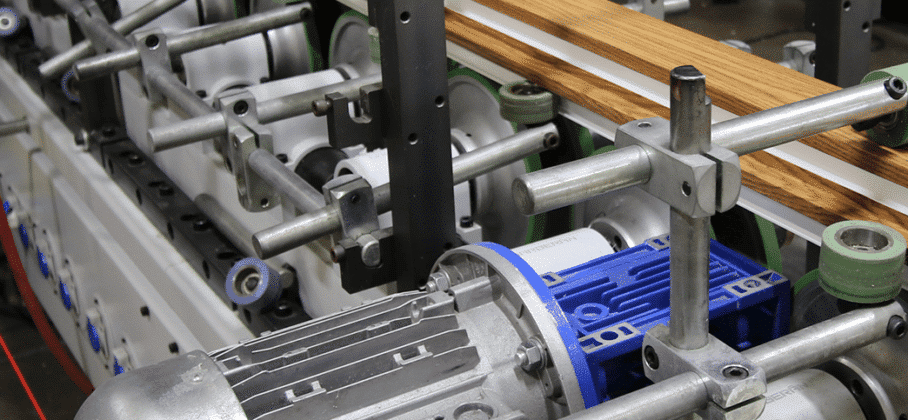
At its core, profile wrapping applies high-performance decorative films to aluminum, PVC, composite, or wood profiles used in window and door systems. Advanced PUR hot-melt adhesives create a durable bond between the substrate and laminate, eliminating the need for many solvent-based coatings and helping reduce emissions compared to older finishing methods.
Modern production lines increasingly utilize recyclable, thermoplastic-based decorative films that offer UV stability, moisture resistance, and long-term color retention. AI-powered monitoring systems now verify bond strength, adhesive spread, and surface uniformity in real time, delivering unmatched consistency.
Compared to painting, powder coating, or anodizing, modern profile wrapping offers:
- Faster curing and immediate handling.
- Lower VOC emissions.
- Superior scalability for high-volume manufacturing.
- Expanded finish options include hyper-realistic wood grains, anti-fingerprint matte surfaces, and textured metallic looks.
As energy-efficient and architecturally distinctive fenestration products gain demand, profile wrapping has become the preferred finishing solution across residential and commercial construction.
Modern Manufacturing Techniques Behind Profile Wrapping
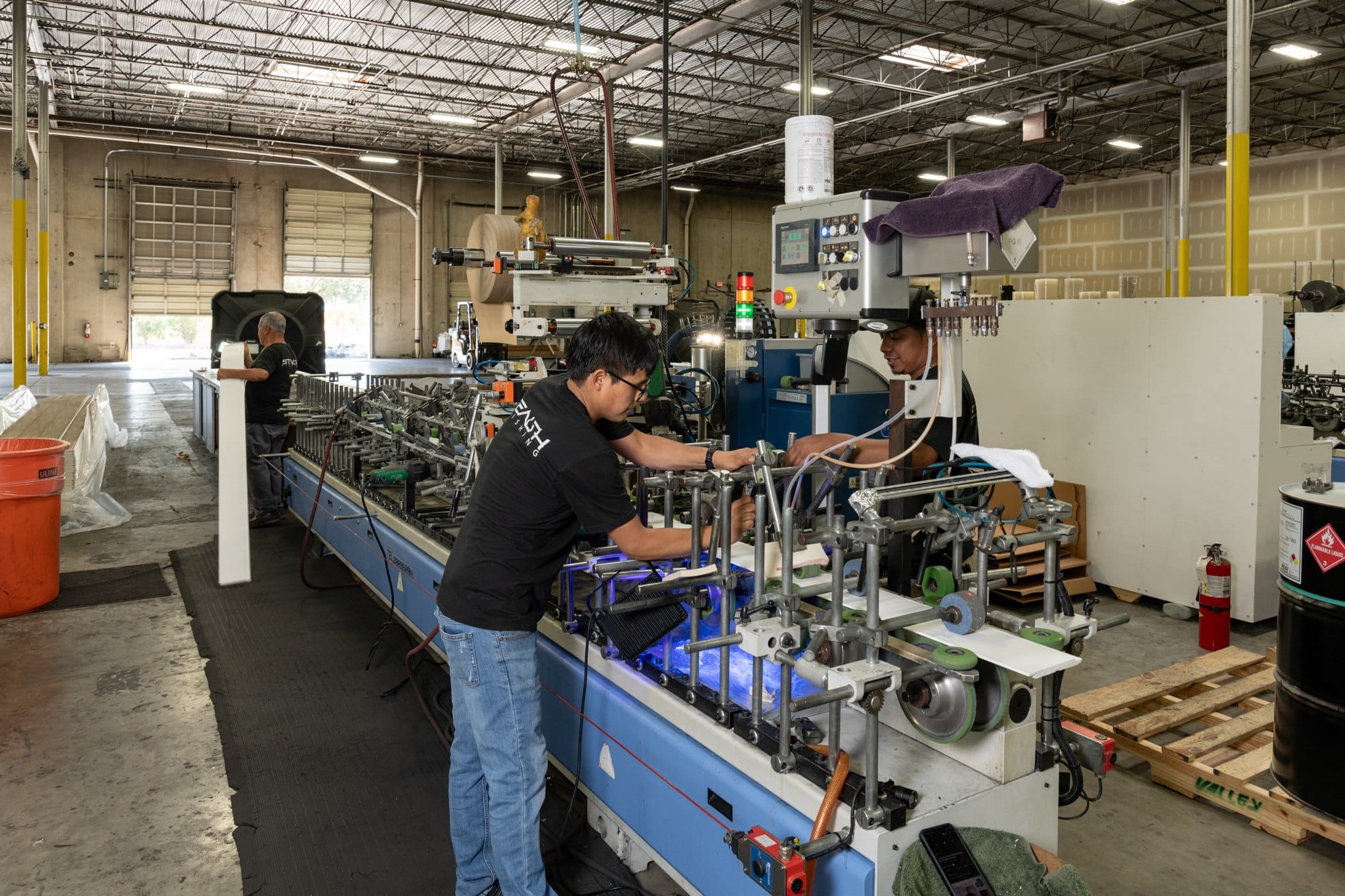
Today’s profile wrapping facilities rely on automation, robotics, and integrated quality control systems to maintain tight tolerances and consistent finishes across high-volume production lines.
- Automation & AI Integration: Robotic profile feeding and alignment systems ensure exact positioning. Machine-vision inspection detects surface defects in real time. Predictive maintenance analytics reduce downtime and extend equipment lifespan.
- Next-Generation Adhesives: Low-VOC and bio-based PUR hot-melt systems align with sustainability initiatives promoted by organizations such as the Adhesive and Sealant Council. According to the Adhesive and Sealant Council, “Adhesives and sealants play a critical role in advancing sustainability across industries.” (Source: Adhesive and Sealant Council). These adhesives provide improved open time, superior moisture resistance, and stronger bonds in high-temperature and high-humidity environments.
- Precision Engineering for Complex Profiles: CNC-guided wrapping rollers and multi-axis wrapping capability allow seamless coverage of curved and hybrid architectural profiles. Tighter tolerance control supports architectural-grade applications.
- Smart Production Line Integration: ERP-connected manufacturing systems and digital twin simulations optimize throughput. Real-time dashboards track output and quality metrics.
These advancements:
- Increase production speed by 20–35% compared to legacy systems.
- Reduce material waste by up to 15%.
- Improve consistency across large-scale projects.
- Support modular and prefabricated construction workflows.
Exterior and Interior Applications of Profile Wrapping
Profile wrapping for windows and doors delivers measurable advantages across both interior and exterior environments.
Interior Applications
Interior window trims and casings benefit from seamless wood-look finishes without the maintenance demands of natural timber. Wrapped door frames and jambs create cohesive aesthetics across multi-family developments, hospitality properties, and office spaces where uniformity is essential.
Expanded applications include:
- Cabinetry and architectural millwork.
- Built-in storage systems.
- Modular interior partition systems.
- Smart home-ready architectural components.
Scratch resistance and anti-microbial film technologies are increasingly valued in healthcare and hospitality environments where durability and hygiene matter.
Exterior Applications
Exterior use cases focus on long-term performance:
- Weather-resistant window frames in extreme climates.
- Aluminum profile wrapping that reduces corrosion in coastal environments.
- PVC-wrapped trims for siding and cladding systems.
- Composite frames protected by UV-stable decorative films.
When properly sealed, wrapped profiles can contribute to overall thermal performance by working in tandem with high-performance glazing systems. In energy-conscious construction, that integration supports tighter building envelopes and more consistent insulation performance.
Profile wrapping aligns with green building goals supported by LEED certification standards. According to the U.S. Green Building Council, “LEED certification offers a framework for healthy, efficient, and cost-effective green buildings, providing environmental and social benefits.” (Source: U.S. Green Building Council LEED).
Top Benefits of Profile Wrapping for Window and Door Finishing
Profile wrapping offers several practical advantages for modern window and door manufacturing:
- Durable Surface Coatings: UV-stable laminates can last 15–25 years without fading, offering high impact and scratch resistance that meets architectural standards.
- Design Flexibility: Hyper-realistic wood grains, custom color matching, matte textures, and metallic finishes allow complete aesthetic control.
- Low Maintenance: Minimal cleaning and no repainting compared to traditional finishes.
- Improved Production Efficiency: Automation reduces human error and accelerates line speeds.
- Cost Savings: Lower labor costs, reduced waste, and predictable manufacturing outcomes.
- Sustainability Gains: Reduced VOCs and recyclable films contribute to environmentally responsible manufacturing.
Achieving these results depends on proper installation, calibrated equipment, and consistent quality control throughout the production process.
Get Precision Windows and Doors Wrapping for the Modern Home
At Stealth Finishing, we bring years of experience serving both residential and commercial clients with advanced profile wrapping solutions. We offer a wide array of styles, colors, textures, and finishes tailored to modern architectural preferences.
Whether you’re looking for cost-effective finishes or fully customized designs, our wrapping systems are built to deliver consistent results at scale. We work closely with clients to ensure each project aligns with modern architectural demands and long-term performance goals.
Contact our team directly at (214) 814-4101. You can also request an estimate to get started.
FAQs
What materials can be profile wrapped?
Aluminum, PVC, composite, and engineered wood profiles are commonly wrapped using PUR hot-melt adhesive systems.
How long does profile wrapping last?
High-quality UV-stable laminates can last 15–25 years under normal exterior exposure conditions.
Is the profile wrapping environmentally friendly?
Yes. Modern systems use low-VOC adhesives and recyclable films that reduce environmental impact compared to solvent-based coatings.
Does profile wrapping improve energy efficiency?
When properly sealed, wrapped profiles support thermal performance and compatibility with high-efficiency glazing systems.
Is profile wrapping suitable for large-scale projects?
Yes. Automated production lines and integrated quality checks help maintain consistent finishes across large commercial and residential projects.