As sustainability shifts from trend to necessity, builders, designers, and manufacturers are rethinking how materials are selected and used. Eco-friendly profile-wrapping materials are driving this shift, helping industries meet growing environmental standards while maintaining durability and aesthetic appeal.
These sustainable wrapping solutions reduce waste and emissions while redefining how profile, trims, doors, and surfaces are designed, finished, and maintained.
Eco-Friendly Profile-Wrapping Materials: The Future of Modern Design
The future of design is green, and eco-friendly profile wrapping materials are at the heart of that evolution. In modern architecture, sustainability and style now go hand in hand. From residential interiors to large-scale commercial projects, every detail matters. Clients expect beauty, performance, and environmental responsibility.
These new-age materials check every box. They offer:
- Durability that stands up to wear and moisture.
- Versatility across countless textures and finishes.
- Environmental benefits that support LEED, BREEAM, and WELL certification goals.
Whether used for window profiles, cabinetry, wall panels, or door surfaces, these sustainable wraps are designed to reduced volatile organic compounds (VOCs) and minimize plastic waste, making every installation a step toward cleaner, healthier spaces.
Leading manufacturers are investing heavily in green building materials and advanced technologies that meet standards such as LEED, BREEAM, and WELL Building Standards. TThese certifications enhance property value and long-term performance.
Green Building Materials
The foundation of any sustainable design is the materials it uses. In profile wrapping, green building materials have revolutionized how finishes are created and applied.
Here’s what’s making a difference:
- Bio-Based Films and Laminates: Derived from natural cellulose, corn-based PLA, and recycled wood fibers, these films deliver the same look and feel as traditional wraps, without the heavy carbon footprint.
- Low-VOC Adhesives and Coatings: Formulated to minimize harmful emissions and ensure safer indoor environments. Want to understand how these adhesives work? Check out this guide on laminate adhesion best practices.
- Water-Based Inks and Finishes: These create rich, vibrant colors while cutting down on air pollutants during production and application.
By using these materials, manufacturers and designers can reduce energy consumption, manufacturing waste, and environmental toxicity, without compromising performance or beauty. For clients, these sustainable choices reflect a commitment to eco-conscious construction and cleaner, greener living.
Recycled Profile Laminates
One of the most impactful trends shaping 2025 is the rise of recycled profile laminates. Instead of sourcing new raw materials, more companies are turning to recycled PET, reclaimed vinyl, and post-industrial waste to create high-performance laminates that look and feel identical to traditional wraps, but with a fraction of the environmental cost.
These laminates support circular-economy practices, giving waste materials a second life and reducing landfill dependency. Here are a few standout examples:
- Recycled plastic laminates for durable exterior trim and façade elements.
- Reclaimed wood-based foils that mimic the beauty of real wood, without cutting a single tree.
- Hybrid recycled wraps that combine polymer blends for enhanced UV and scratch resistance.
By integrating recycled laminates into your designs, you’re not just meeting sustainability standards; you’re setting them. It’s proof that eco-friendly doesn’t mean compromising on quality, strength, or design appeal.
Energy-Efficient Wrapping Options
Sustainability goes beyond what a material is made from; it’s also about how it performs. Energy-efficient wrapping options are designed to help buildings use less energy while maintaining comfort and aesthetics.
Modern wraps are engineered to:
- Reflect heat, keeping interiors cooler and reducing HVAC loads.
- Provide micro-insulating layers that help maintain consistent indoor temperatures.
- Enhance UV stability, extending product life and reducing maintenance costs.
These innovations do more than save on utility bills; they help achieve green certifications and reduce operational emissions. In short, energy-efficient wraps are transforming the humble finishing surface into a functional, eco-smart element of sustainable architecture.
Benefits of Eco-Conscious Construction
Choosing eco-friendly profile wrapping materials is more than a design decision; it’s a strategic investment in performance, health, and sustainability. Here’s how these materials elevate every project:
- Reduced Environmental Impact: By using bio-based and recycled wraps, you minimize carbon emissions, divert waste from landfills, and preserve non-renewable resources. Every project becomes a tangible contribution to environmental restoration.
- Improved Indoor Air Quality: Traditional wraps often release VOCs that impact air quality. Eco-friendly alternatives use low-emission adhesives and finishes, helping you create healthier, safer spaces for people to live and work in.
- Enhanced Durability and Longevity: Modern recycled and bio-based wraps resist UV exposure, moisture, and impact. That means fewer replacements, less maintenance, and greater long-term savings.
- Energy Efficiency and Cost Savings: Reflective and insulative wraps help regulate temperatures and reduce heating and cooling costs, making them both eco-friendly and budget-friendly.
- Aesthetic Versatility with Sustainable Appeal: From woodgrain textures to high-gloss metallics, these materials let you achieve any design vision without sacrificing sustainability. Your finishes stay stylish and responsible at once.
- Compliance with Green Building Standards: With eco-friendly wraps, builders can easily meet sustainability benchmarks like LEED, BREEAM, and WELL, streamlining certification processes and enhancing project credibility.
- Positive Brand and Property Value Impact: Sustainable construction isn’t just good for the planet; it’s good for business. Developers and manufacturers that prioritize eco-conscious materials attract modern, values-driven clients and gain a competitive edge in a green marketplace.
In today’s design landscape, eco-friendly profile wrapping materials are essential. They combine sustainability, performance, and aesthetics in one forward-thinking package that future-proofs your project.
Modern and Sustainable Wrapping Solutions That Elevate Architectural Design
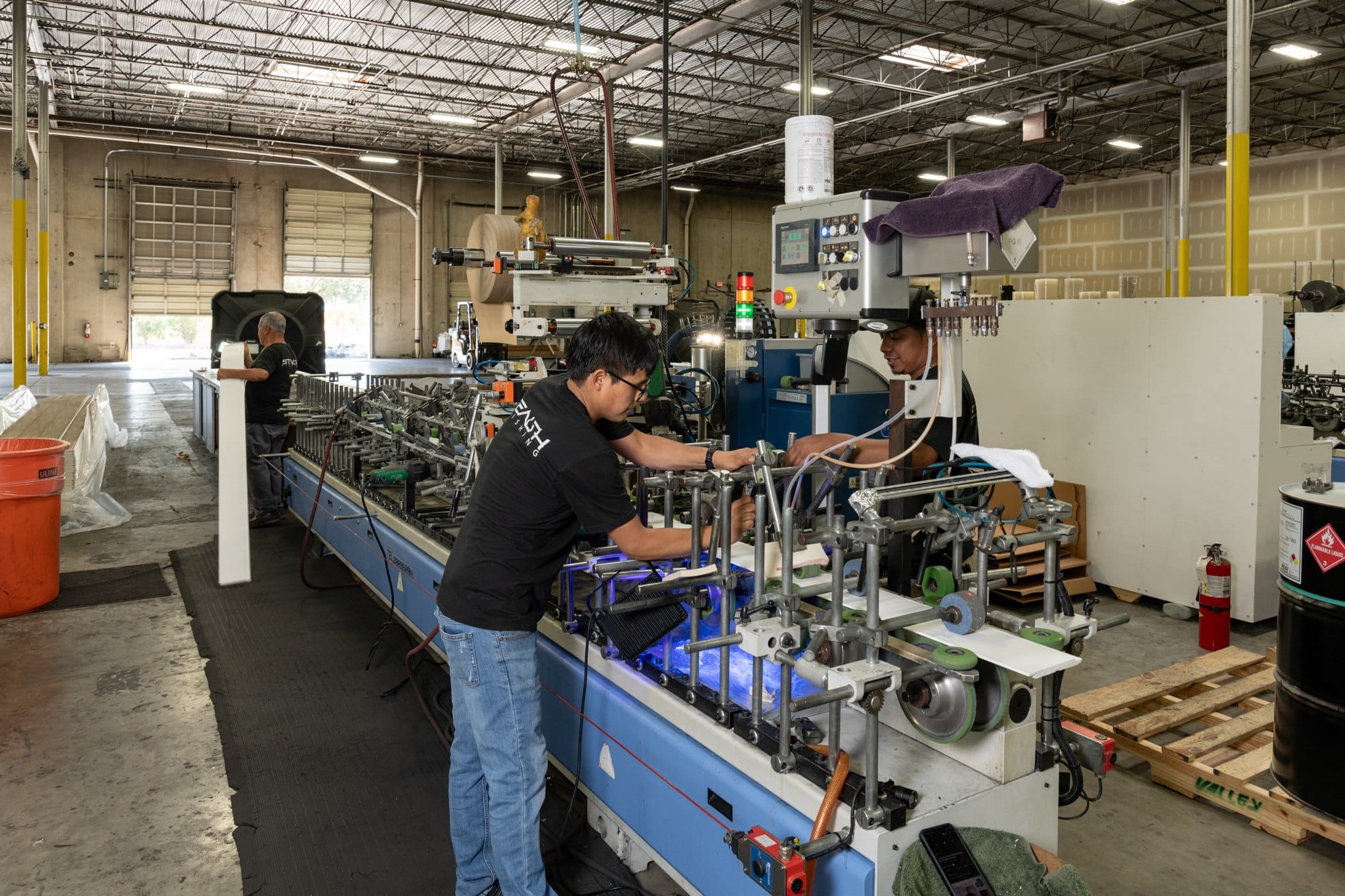
With years of hands-on experience and a passion for sustainability, Stealth Finishing has mastered the art of industrial profile wrapping that meets modern standards and future expectations.
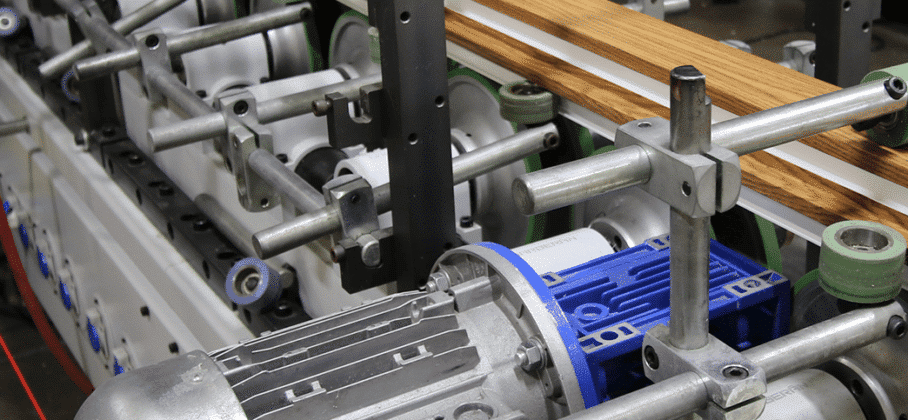
Our cutting-edge wrapping systems and advanced finishing techniques ensure your projects stand out for all the right reasons: quality, precision, and sustainability. Whether you’re working on large-scale manufacturing or custom applications, we deliver finishes tailored to your exact needs.
Here’s what you can expect when you work with us:
- A wide selection of styles, textures, and finishes to match your design goals.
- Years of proven experience delivering durable, specialized results.
- Licensed and certified professionals committed to the highest standards.
- Competitive pricing with dependable, long-lasting outcomes.
- Tailored solutions that revolve around your project’s needs and goals.
We don’t just wrap profiles; we help you bring your architectural vision to life with care, precision, and reliability. Let’s make your next project stand out for the right reasons.
Call us at (214) 814-4101 to schedule an expert consultation and get your free estimate today.