Ever wondered why your roof edges look unfinished or why moisture keeps finding its way inside? That’s where soffit wrapping comes in. It’s the protective finish that shields roof eaves from rot and pests, improves ventilation, and enhances curb appeal. In this soffit wrapping comparison, you’ll see how choosing between wood, aluminum, and PVC affects appearance, durability, and long-term performance.
Soffit Wrapping Materials Comparison
Modern exterior design prioritizes clean lines, efficiency, and durability. The right soffit material does more than cover your eaves; it enhances design, protects against weather, and reduces maintenance. So, how do you know which material fits your style, climate, and budget?
Let’s compare the three leading soffit wrapping materials: PVC, wood, and aluminum.
PVC vs. Wood Soffit
If you want a sleek, durable option that requires minimal maintenance, PVC soffits are among the most popular low-maintenance soffits available today. Made from durable PVC composite, PVC soffits are among the most popular low-maintenance soffit wrapping materials today.
Pros of PVC Soffits:
- Virtually maintenance-free and long-lasting.
- Resistant to insects, warping, and decay.
- Available in a variety of colors and textures.
- Lightweight and energy-efficient.
Cons of PVC Soffits:
- Can warp under extreme heat.
- Less natural-looking compared to real wood.
- Non-biodegradable (though recycled options exist).
Cost and Maintenance:
PVC soffits generally cost less than wood and about the same as aluminum. Maintenance is simple, just a quick wash with mild soap once a year keeps them looking new.
Now, let’s compare them with wood soffits, the traditional option that adds warmth and craftsmanship.
Wood soffits provide a timeless, natural appearance. They’re perfect for homeowners who appreciate the look and feel of natural materials and don’t mind a little upkeep to keep them looking their best.
Pros of Wood Soffits:
- Naturally beautiful and customizable with paints or stains.
- Excellent insulation properties.
- Eco-friendly when sourced sustainably.
Cons of Wood Soffits:
- Requires frequent sealing or repainting.
- Susceptible to pests, moisture, and rot.
- Higher long-term maintenance costs.
Cost and Maintenance:
Wood soffits cost more upfront and require ongoing care to preserve their appearance. You’ll need to re-stain or repaint every few years to prevent weather damage.
So, which option wins in the PVC vs. wood soffit comparison? It depends on what you value most. If you prefer classic character and don’t mind maintenance, wood delivers unmatched charm. But if you’re after convenience, durability, and cost-effectiveness, PVC is the modern favorite.
Aluminum Soffits
Aluminum soffits are strong, sleek, and corrosion-resistant, earning a solid reputation in both residential and commercial construction. They combine strength with minimal maintenance, making them one of the most popular soffit installation materials available today. For a deeper look at how finishing techniques shape performance and appearance, see our ultimate guide to metal finishing for architectural applications.
According to the Aluminum Association, aluminum is also an eco-friendly choice for green building projects and LEED-certified designs due to its recyclability and energy efficiency.
Aluminum Soffit Benefits:
- Corrosion-resistant and weatherproof.
- Fire-resistant and non-combustible.
- Lightweight yet durable for long-term performance.
- Ideal for coastal areas thanks to natural corrosion resistance.
Cons of Aluminum Soffits:
- Can dent from heavy impact.
- Conducts heat and cold easily (may need insulation in extreme climates).
- Limited texture options compared to wood or high-end PVC.
Cost and Maintenance:
Aluminum soffits fall within the mid-range in terms of price. They strike a balance between affordability and longevity. Maintenance involves little more than an occasional rinse to remove dirt or oxidation.
Aluminum soffits are a smart option for long-lasting performance, clean aesthetics, and low maintenance. They’re popular among homeowners and commercial builders who value longevity and sleek design — many of the same benefits aluminum finishing brings to exterior building products across the industry.
Exterior Soffit Finishes and Design Versatility
Soffit wrapping materials influence both function and exterior design. Each material offers unique exterior soffit finishes to match your architectural style.
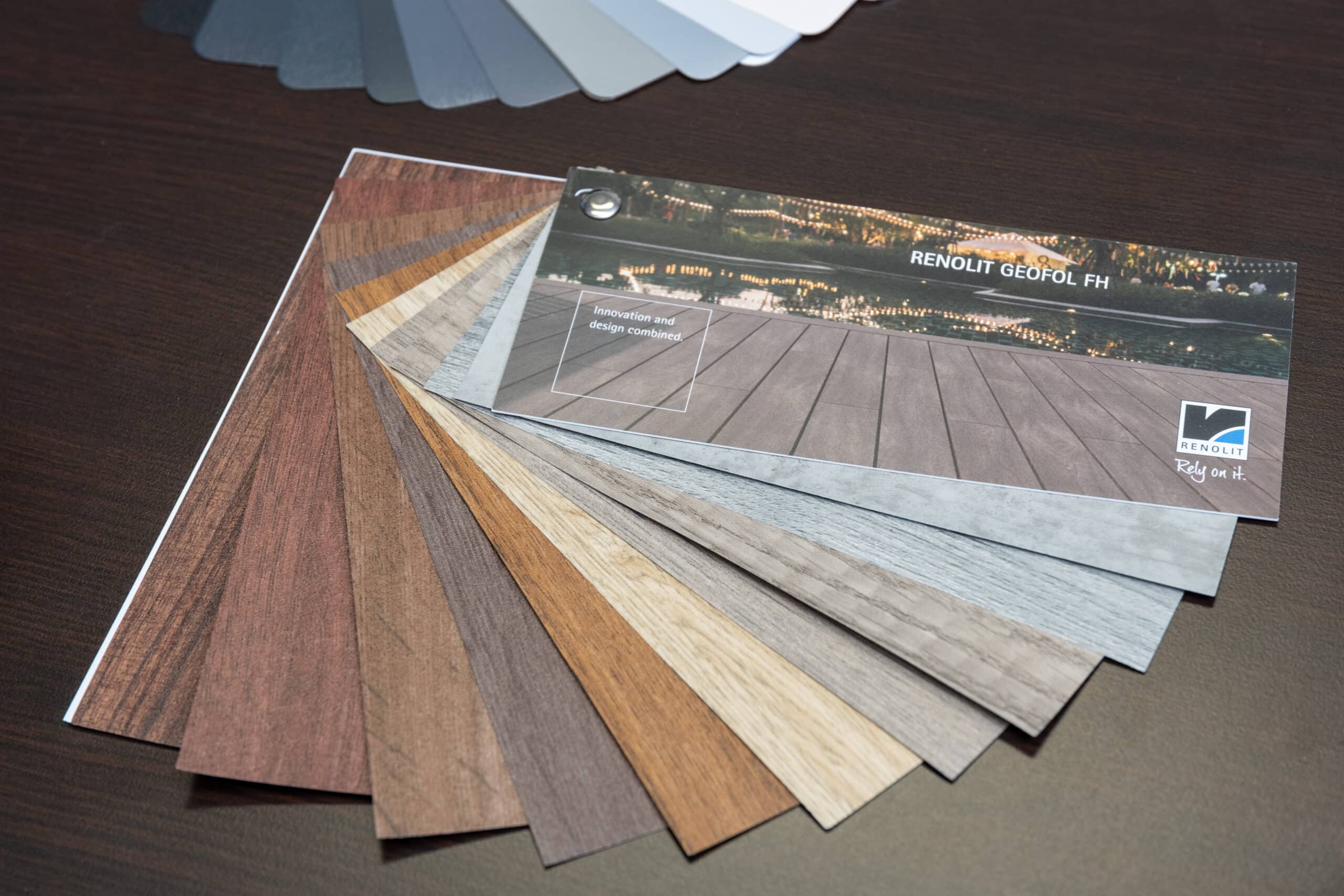
- Wood Finishes: Offer natural warmth and character. Popular choices include cedar, pine, and redwood tones for a rustic or traditional vibe.
- Aluminum Finishes: Available in matte, gloss, and anodized coatings for a sleek, contemporary look.
- PVC Finishes: Mimic both wood grain and smooth styles, perfect for achieving the beauty of wood without the upkeep.
Whether your home features vinyl siding, brick, fiber cement, or stone, modern soffit wrapping materials can complement any exterior design. You can choose rustic, minimalist, or modern styles while maintaining long-term protection.
It’s important to ensure your soffit installation complies with local building codes, especially regarding window flashing and exterior trim requirements.
Transform Your Eaves with Professional Soffit Wrapping
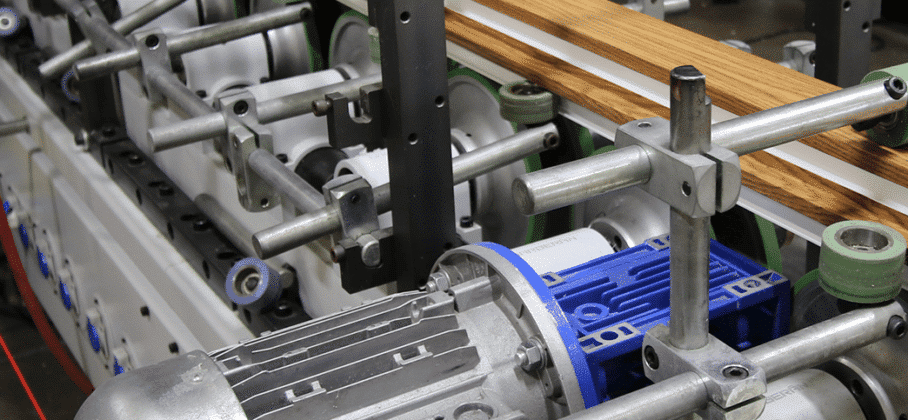
If you want your home to look polished and stay protected, professional soffit wrapping is a game-changer. Stealth Finishing provides custom soffit wrapping solutions using advanced machinery and precision installation, helping homeowners and builders achieve clean, durable, and aesthetically consistent exteriors.
We’ve completed hundreds of residential and commercial projects across Texas, Nevada, and Ohio, and every project reflects the same attention to detail and commitment to excellence. Whether you prefer modern aluminum, low-maintenance PVC, or natural wood, our team ensures flawless installation and lasting results.
Call us at (214) 814-4101 to schedule your consultation and get a free estimate today.